Cyclone Ditwah: The Devastation Remembered
The day Cyclone Ditwah made landfall remains one of the darkest chapters in Sri Lanka's history. This page serves as a solemn chronicle of the forces unleashed—the relentless winds, the catastrophic floods, and the widespread destruction that brought entire provinces to their knees. It is a memorial to the resilience of the Sri Lankan people and a documentation of the national response to this immense natural disaster.
Catastrophic Effects Across the Island
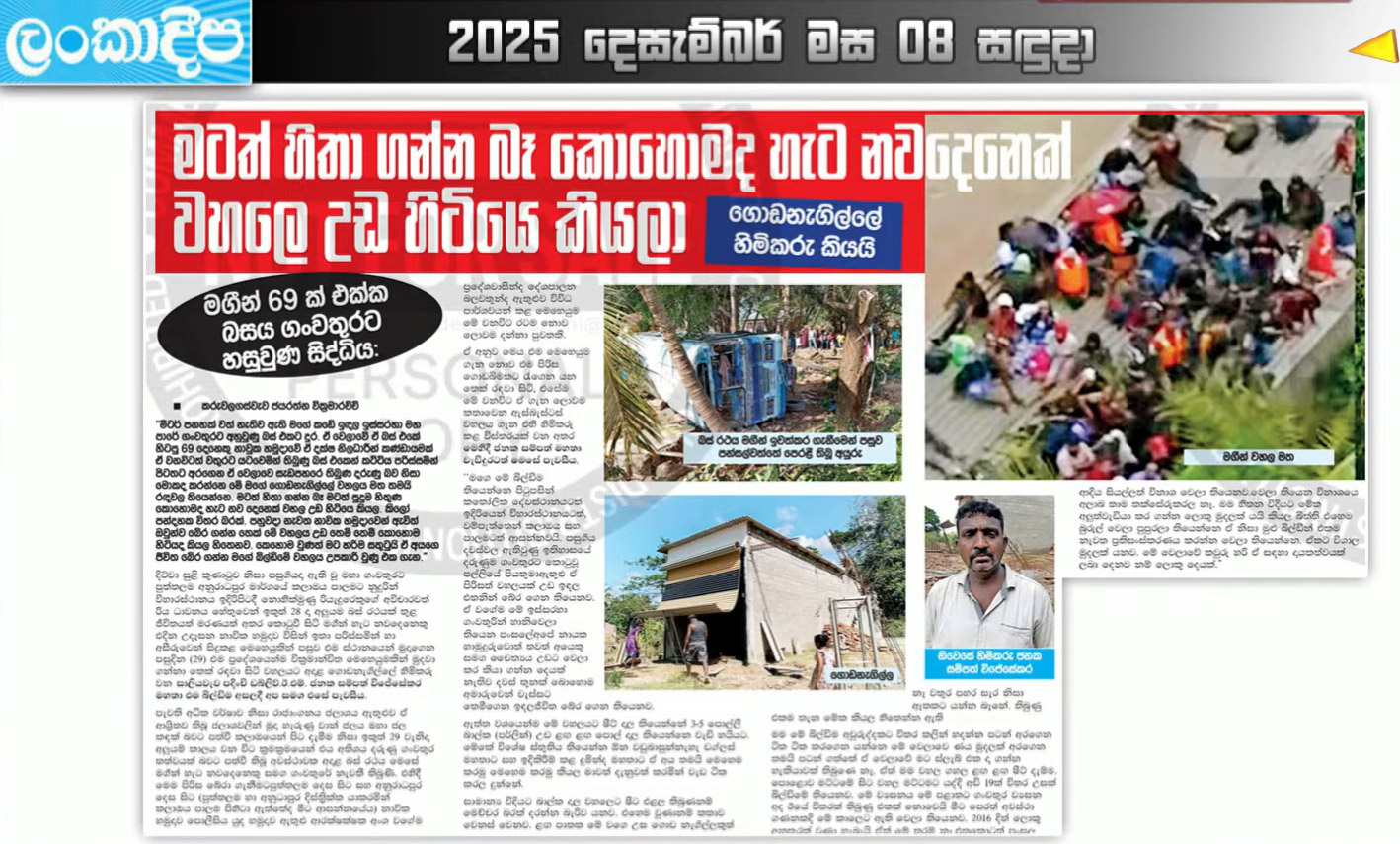
🌊 Coastal & Inland Flooding
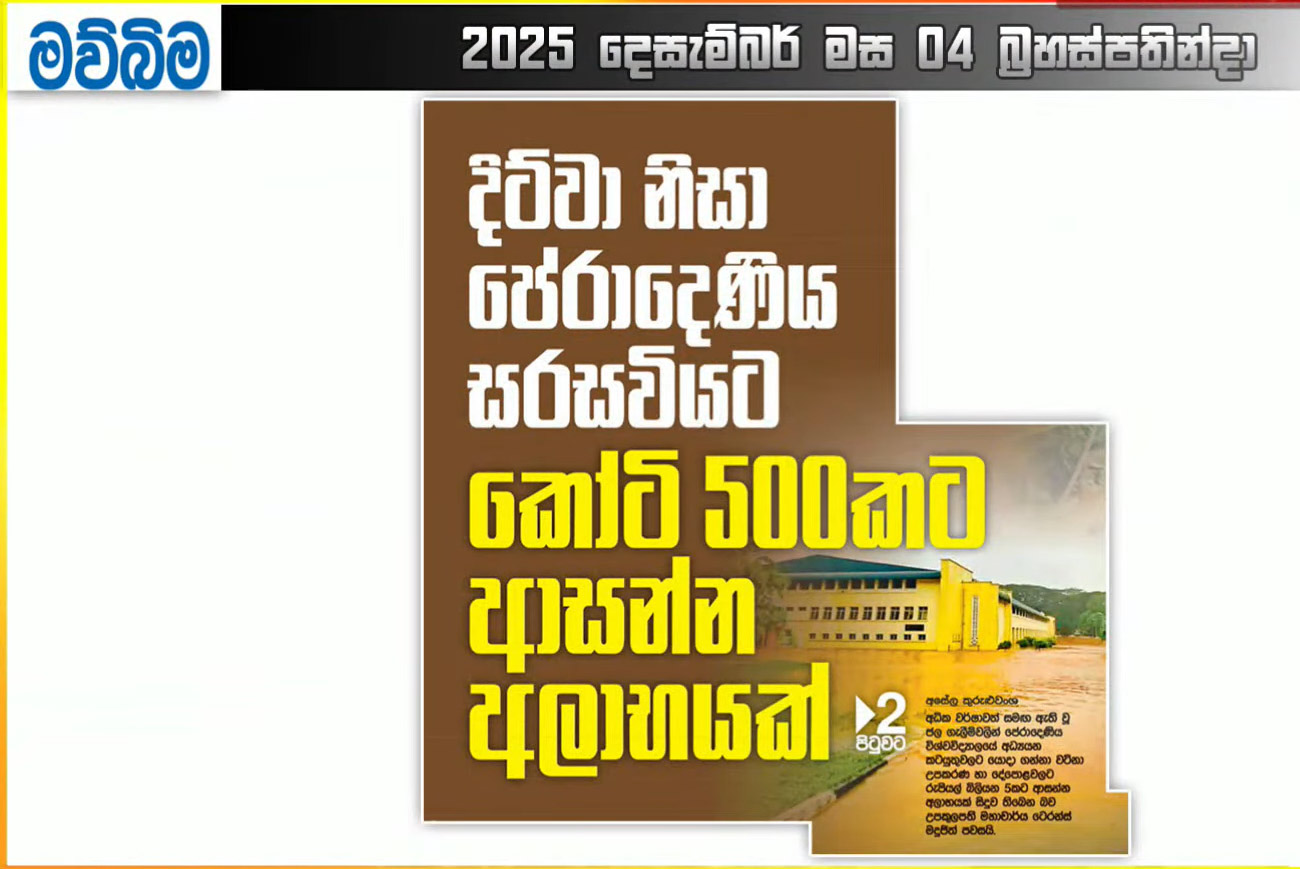
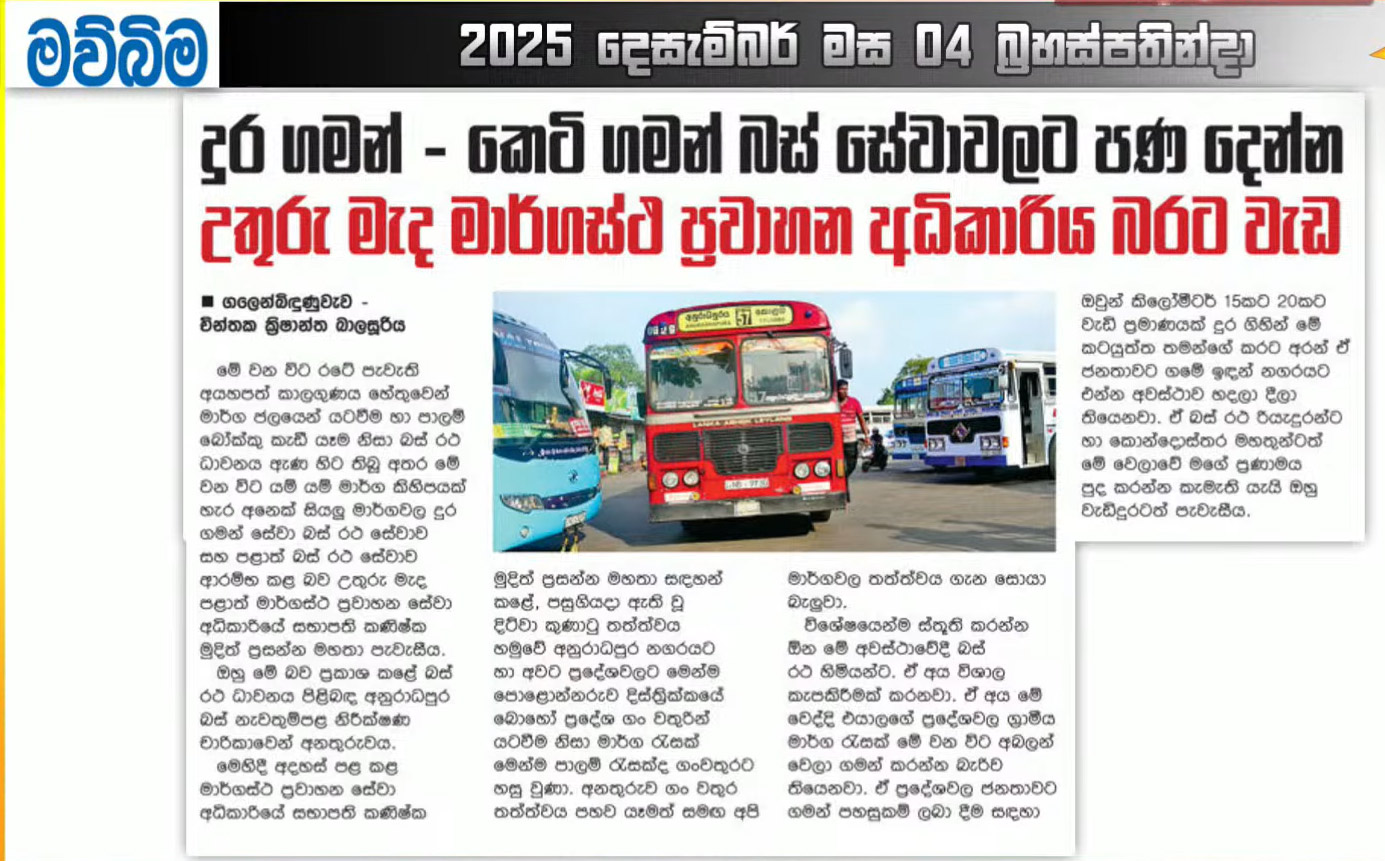
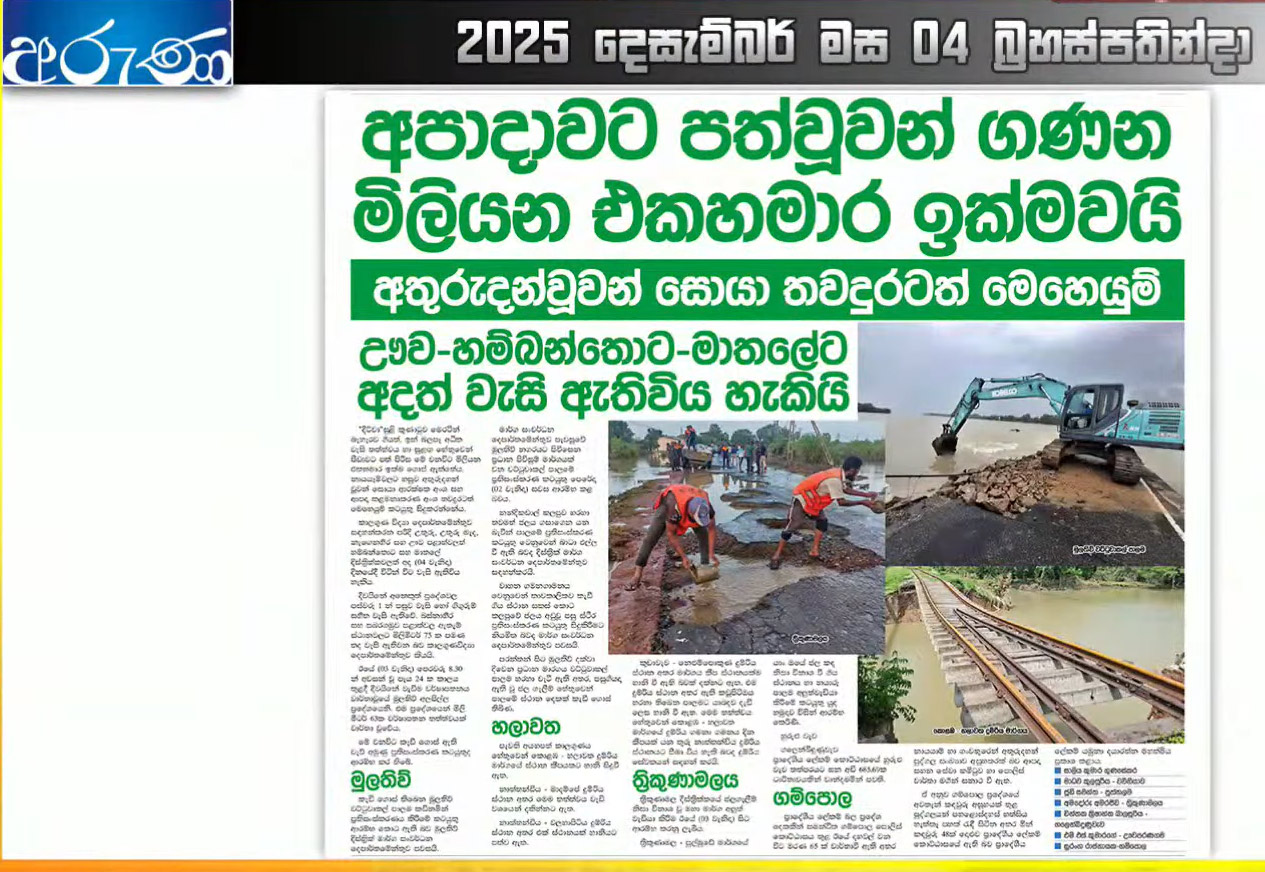
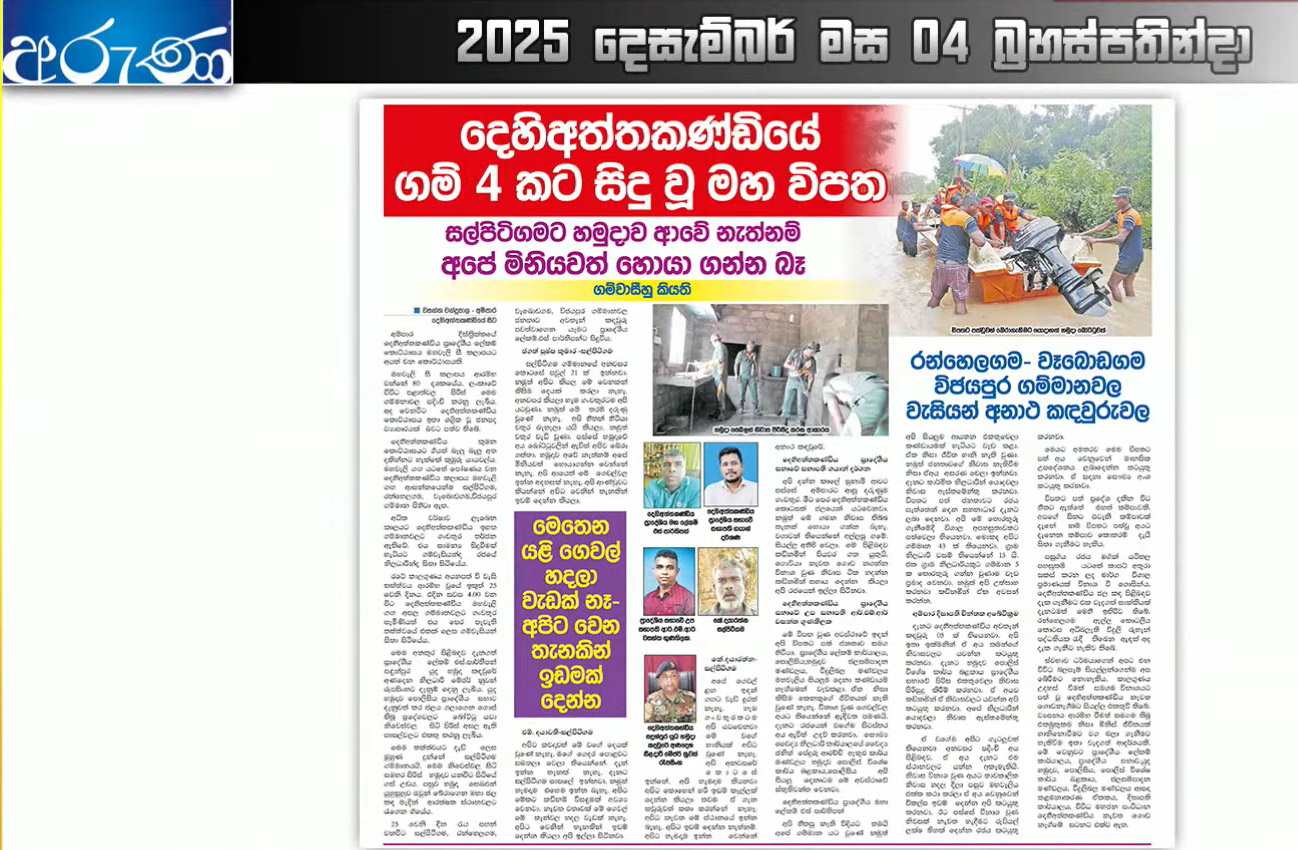
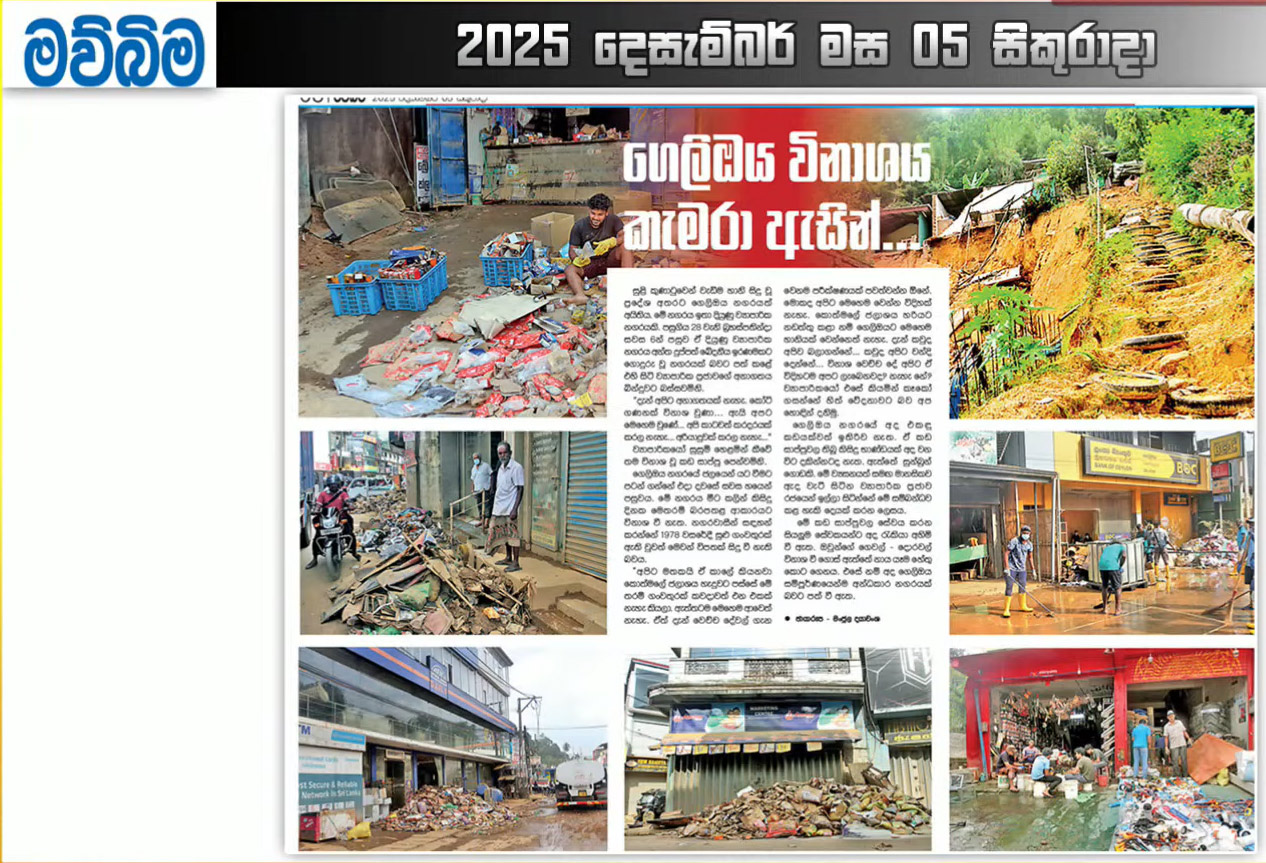
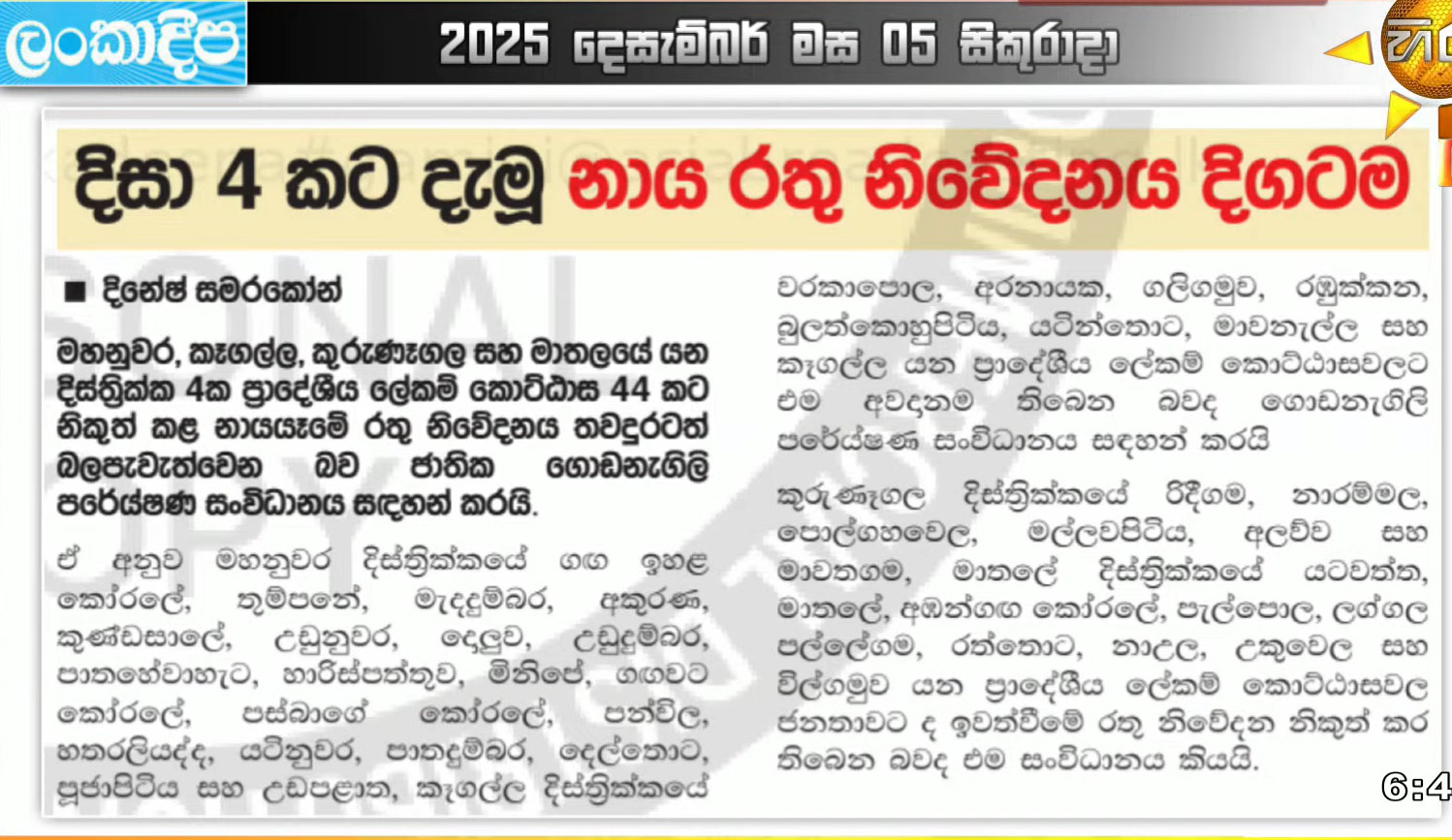
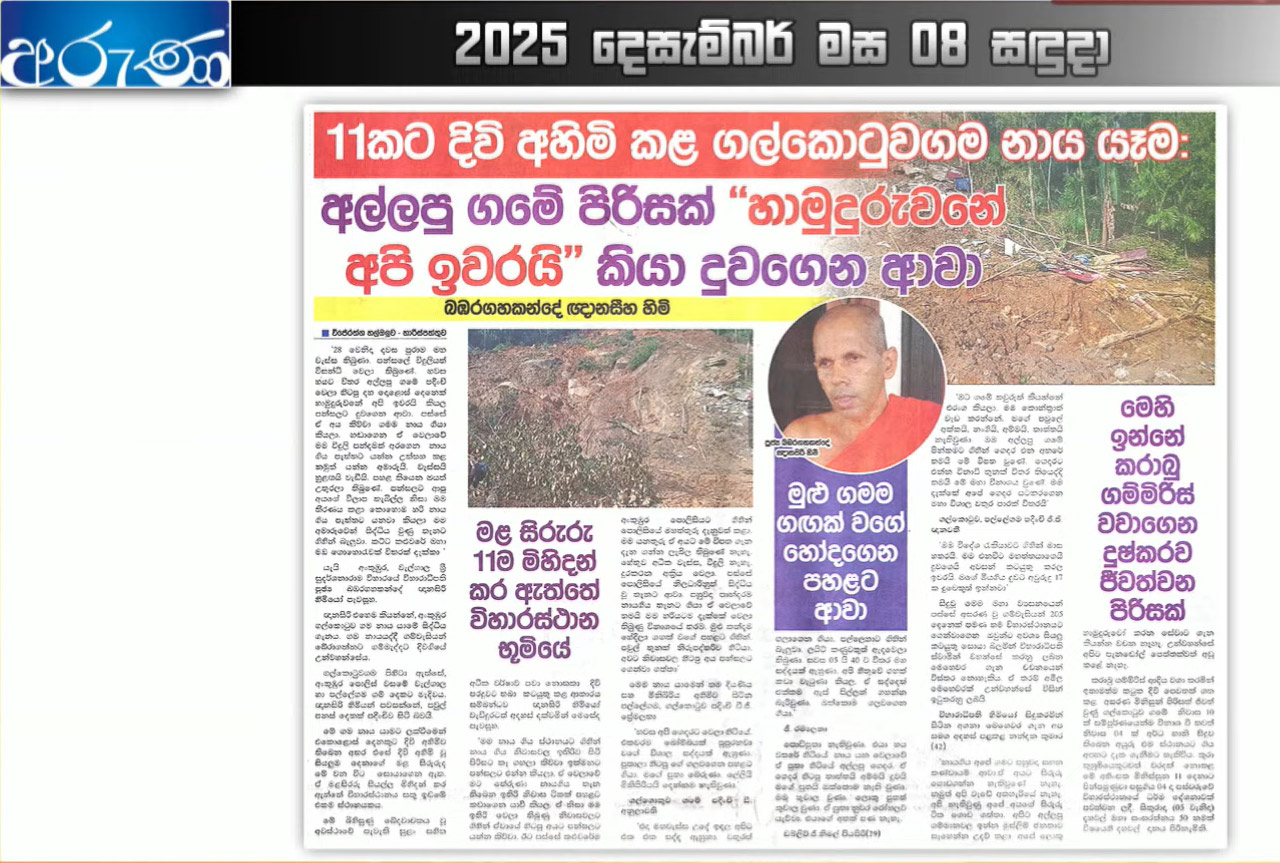
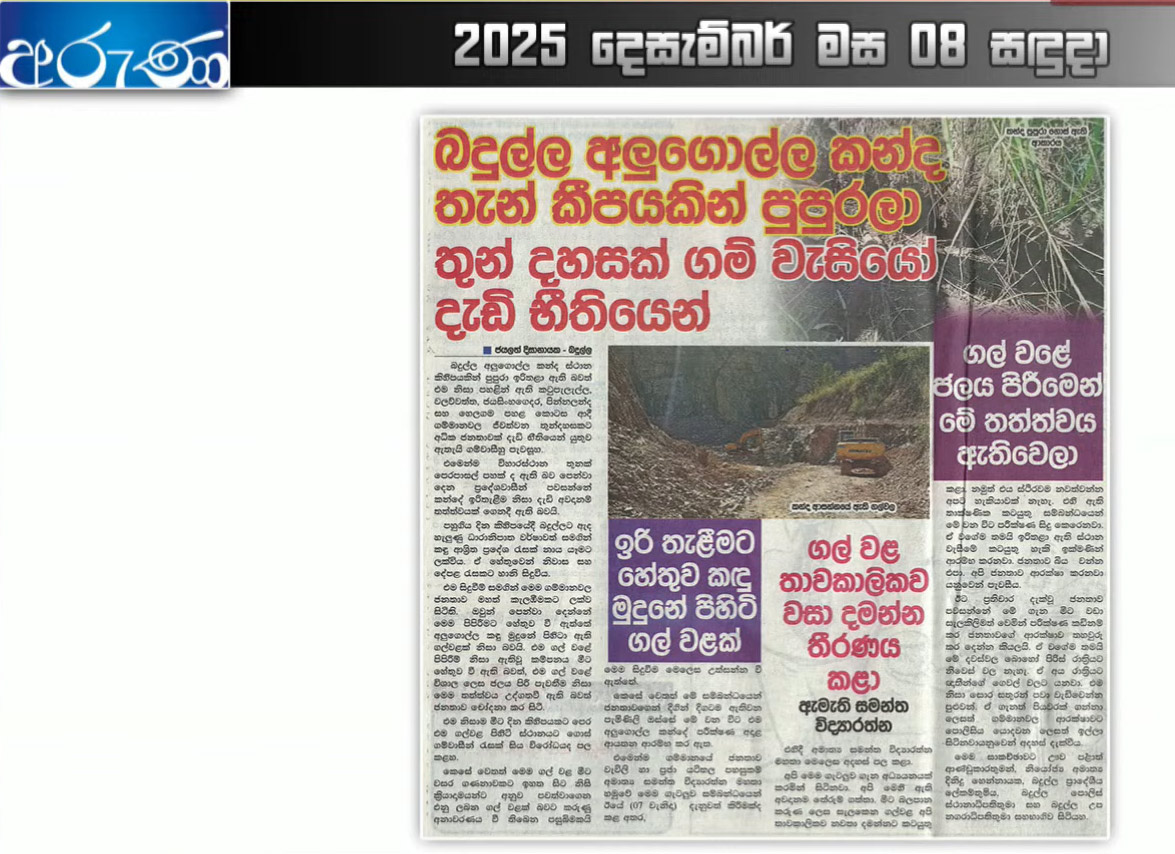
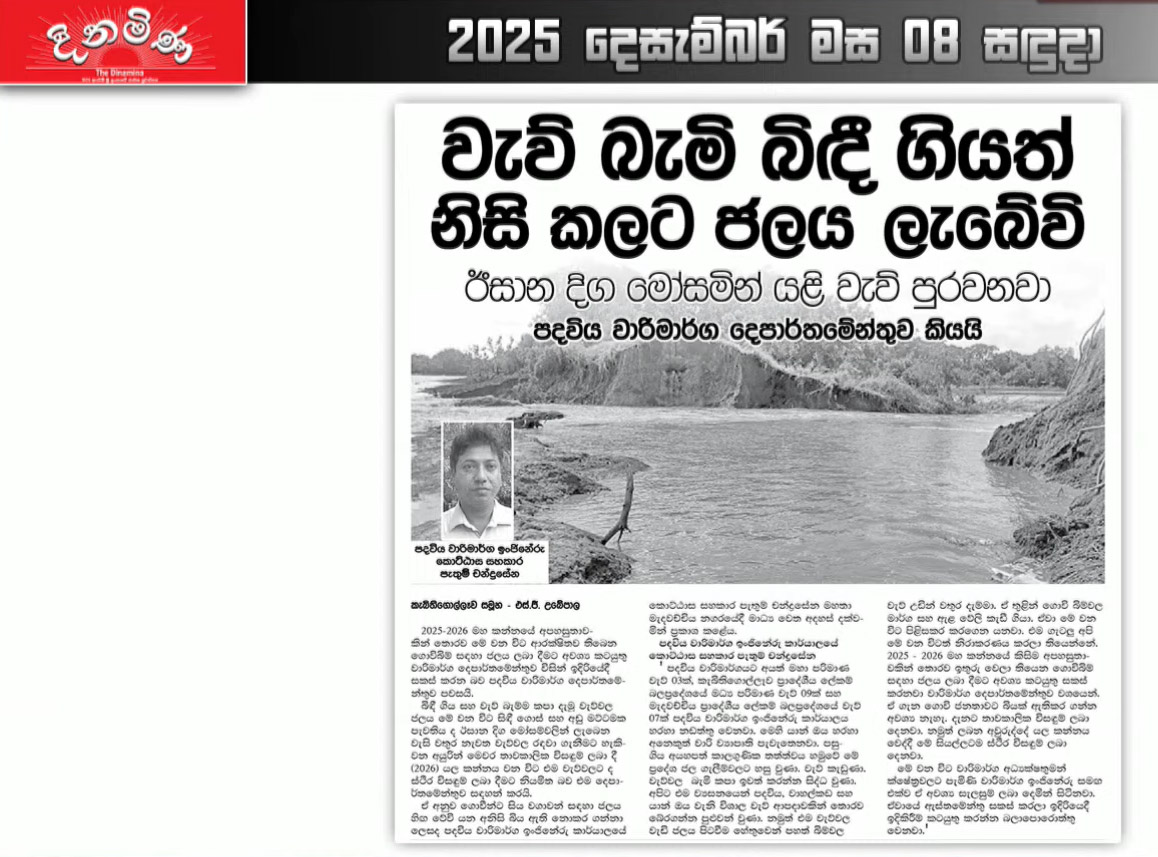
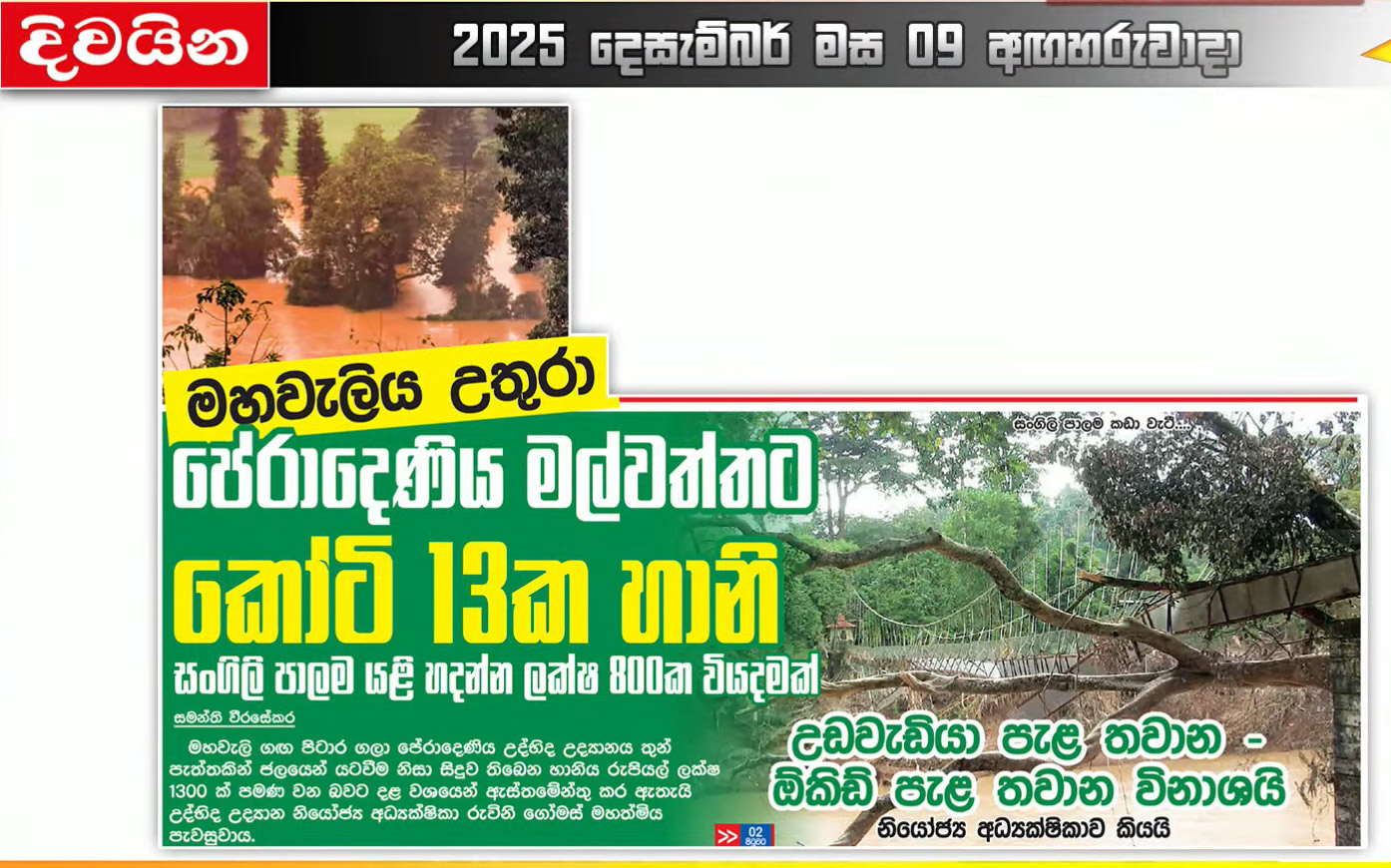
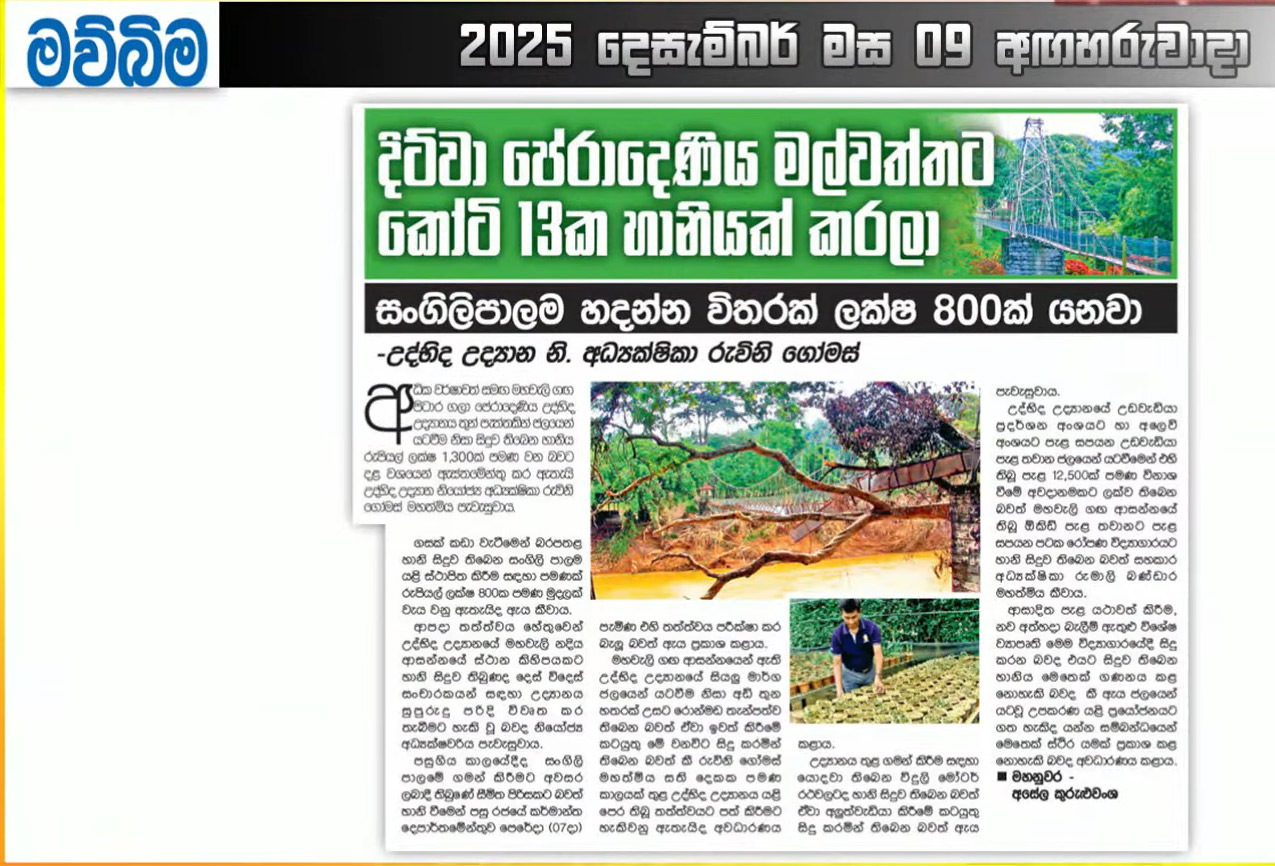
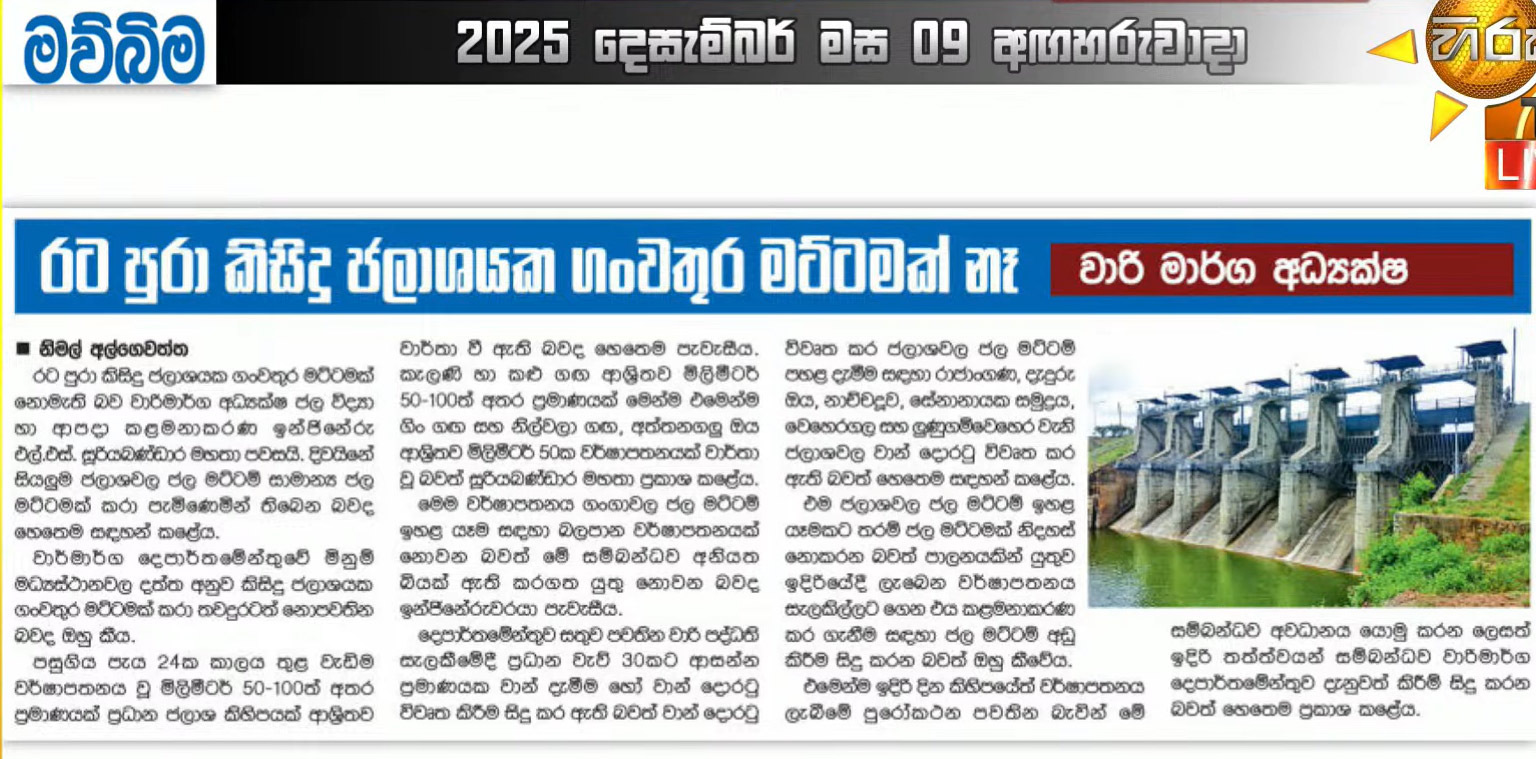
The cyclone brought record-breaking rainfall and severe storm surges along the Eastern and Northern coasts. Rivers swelled instantly, causing massive flash flooding that submerged villages and major transportation hubs.
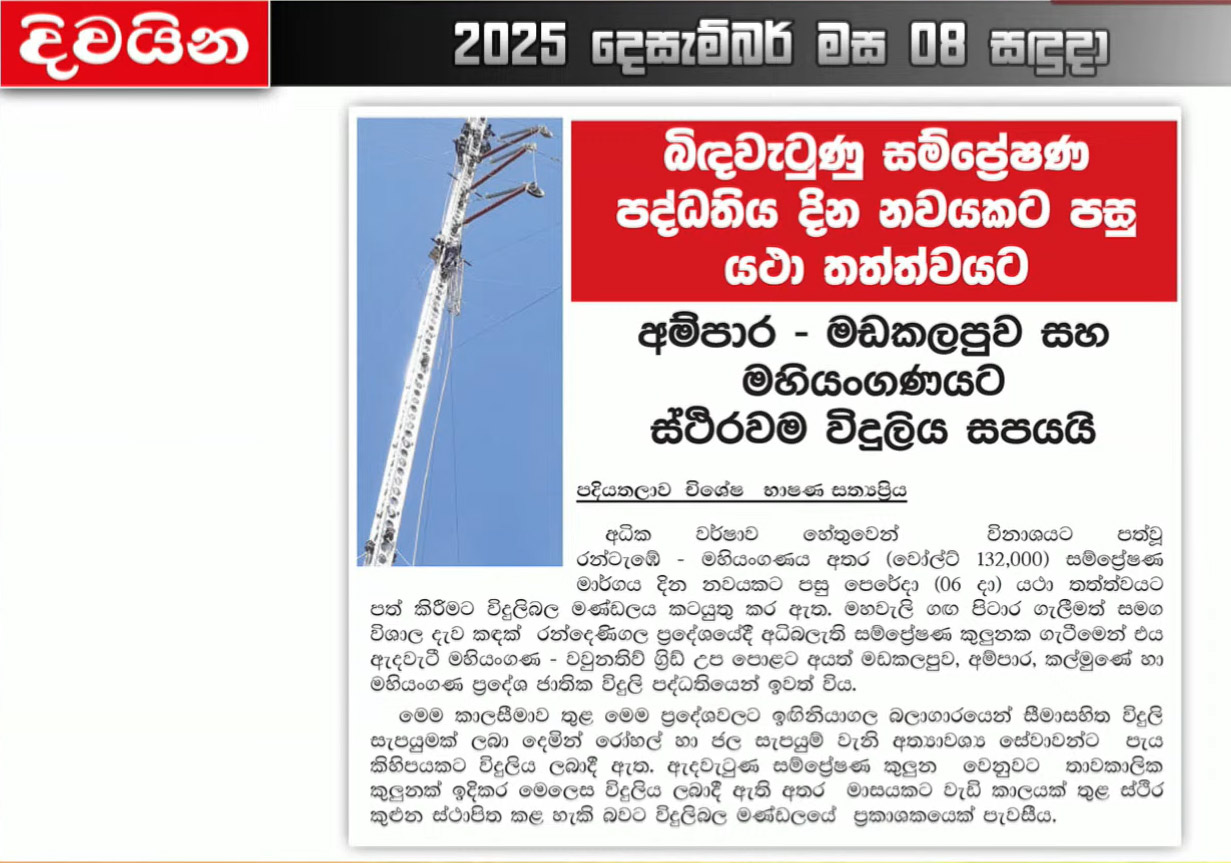
⚡ Infrastructure Collapse & Power Blackout
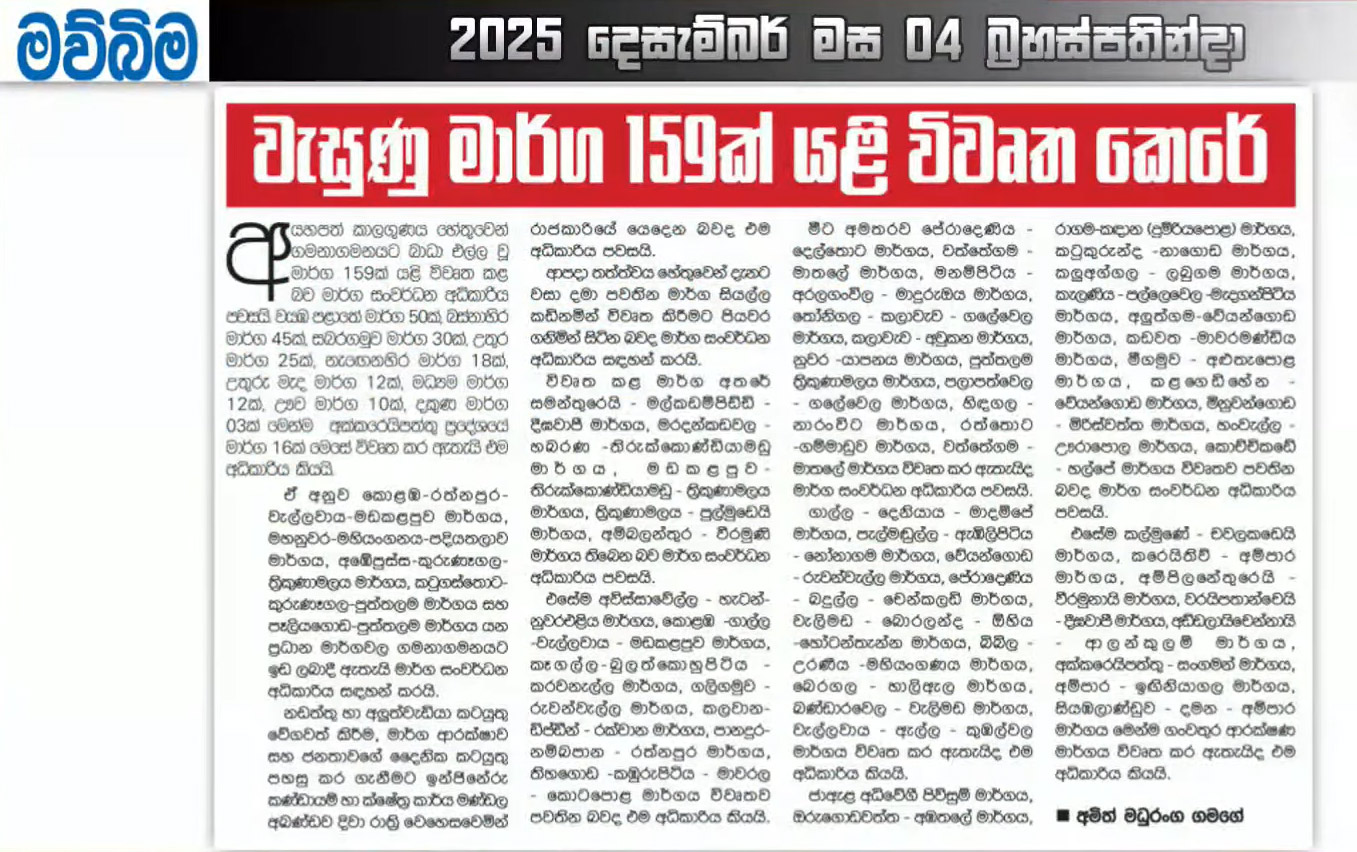
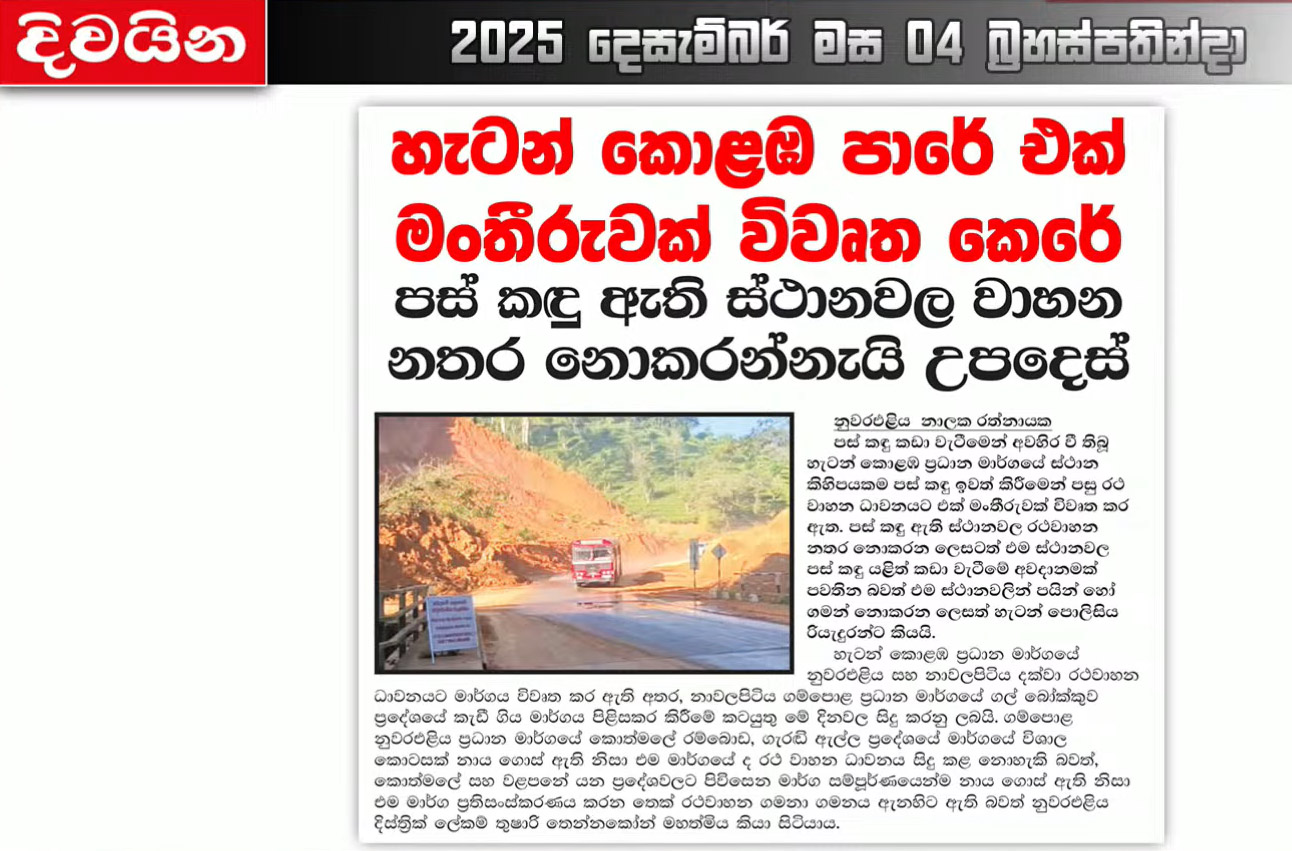
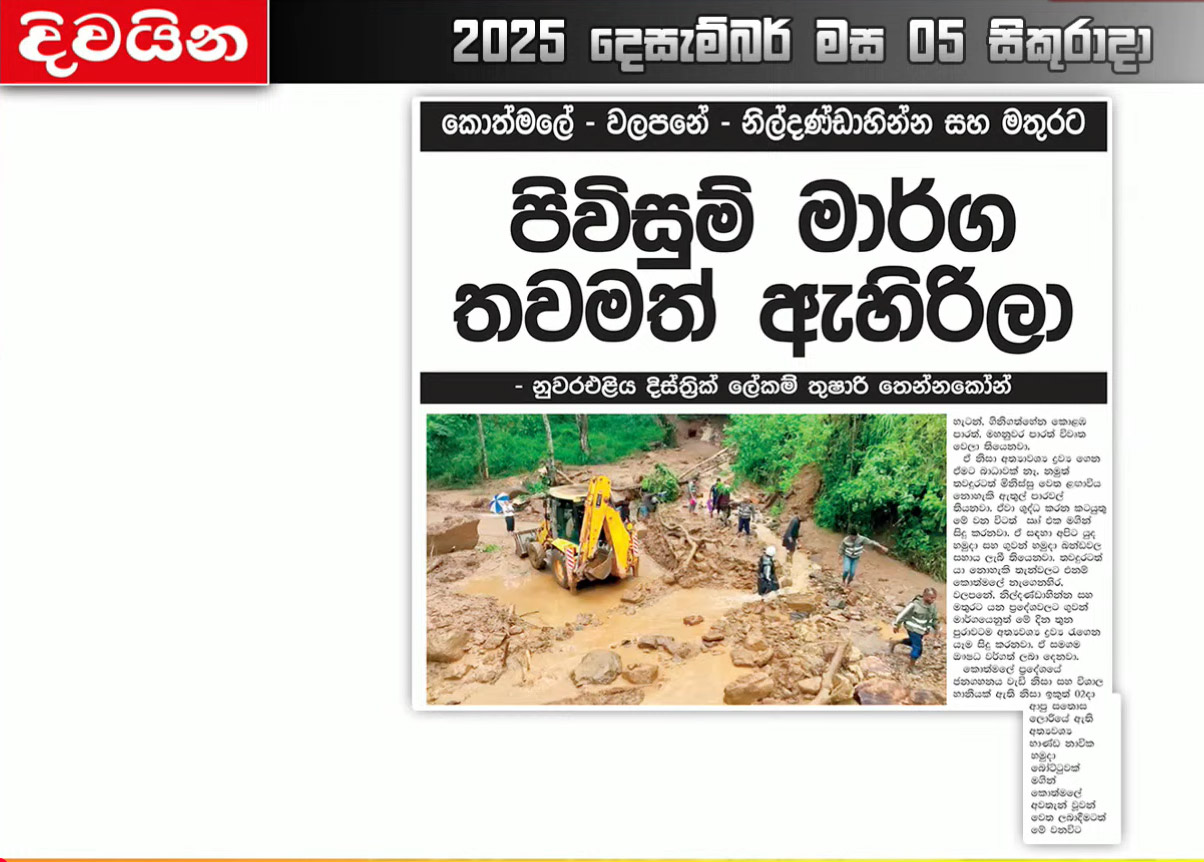
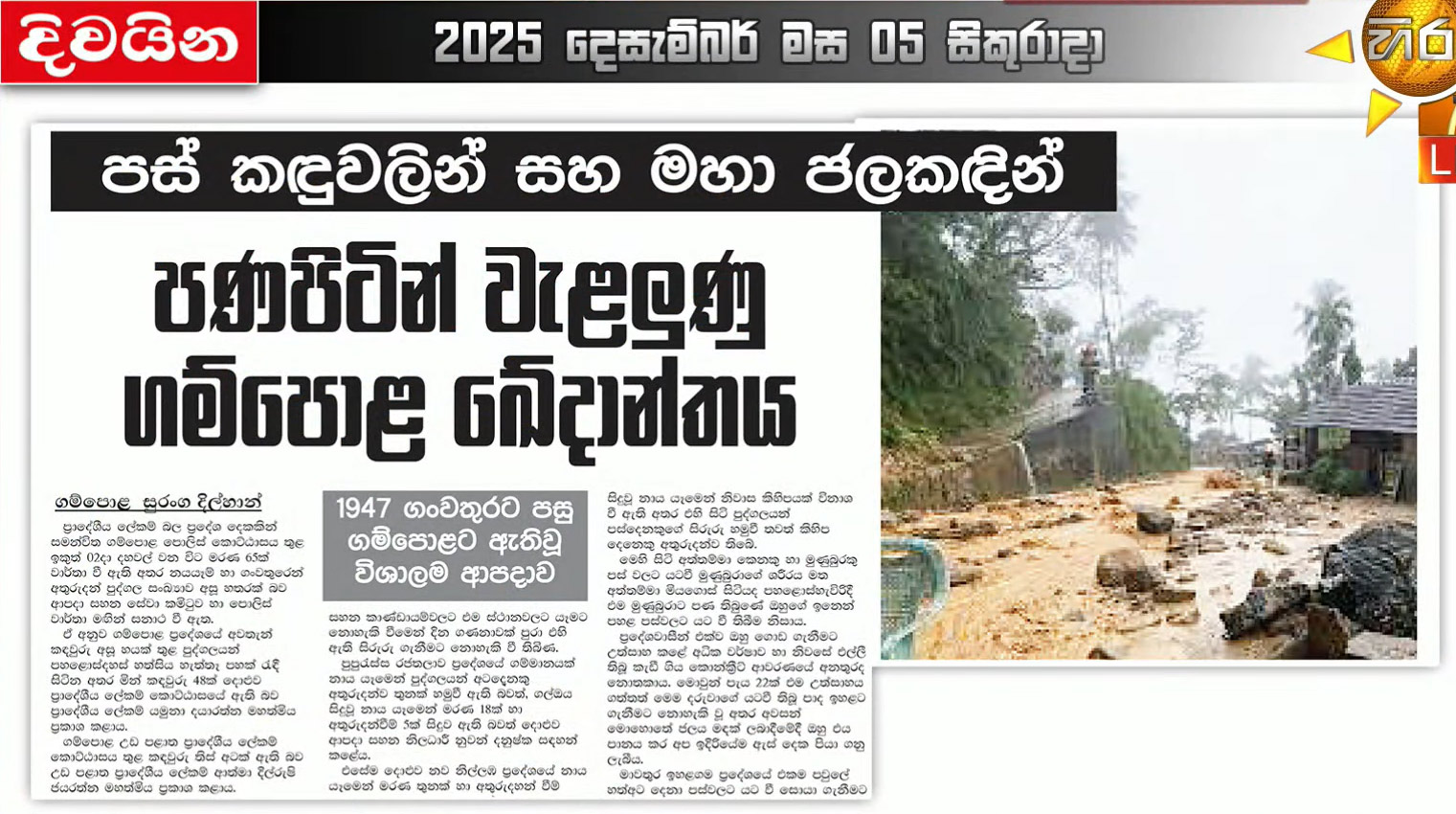
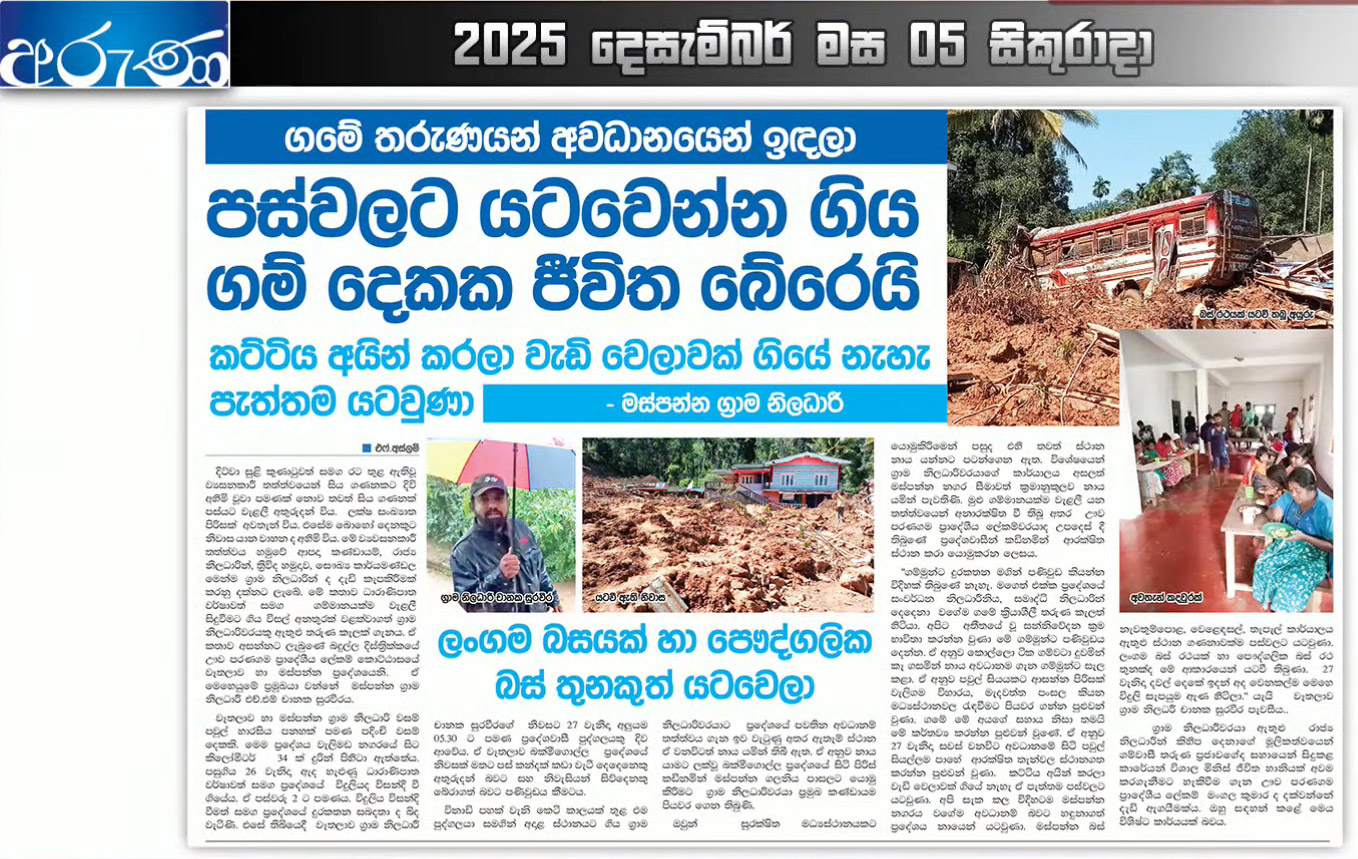
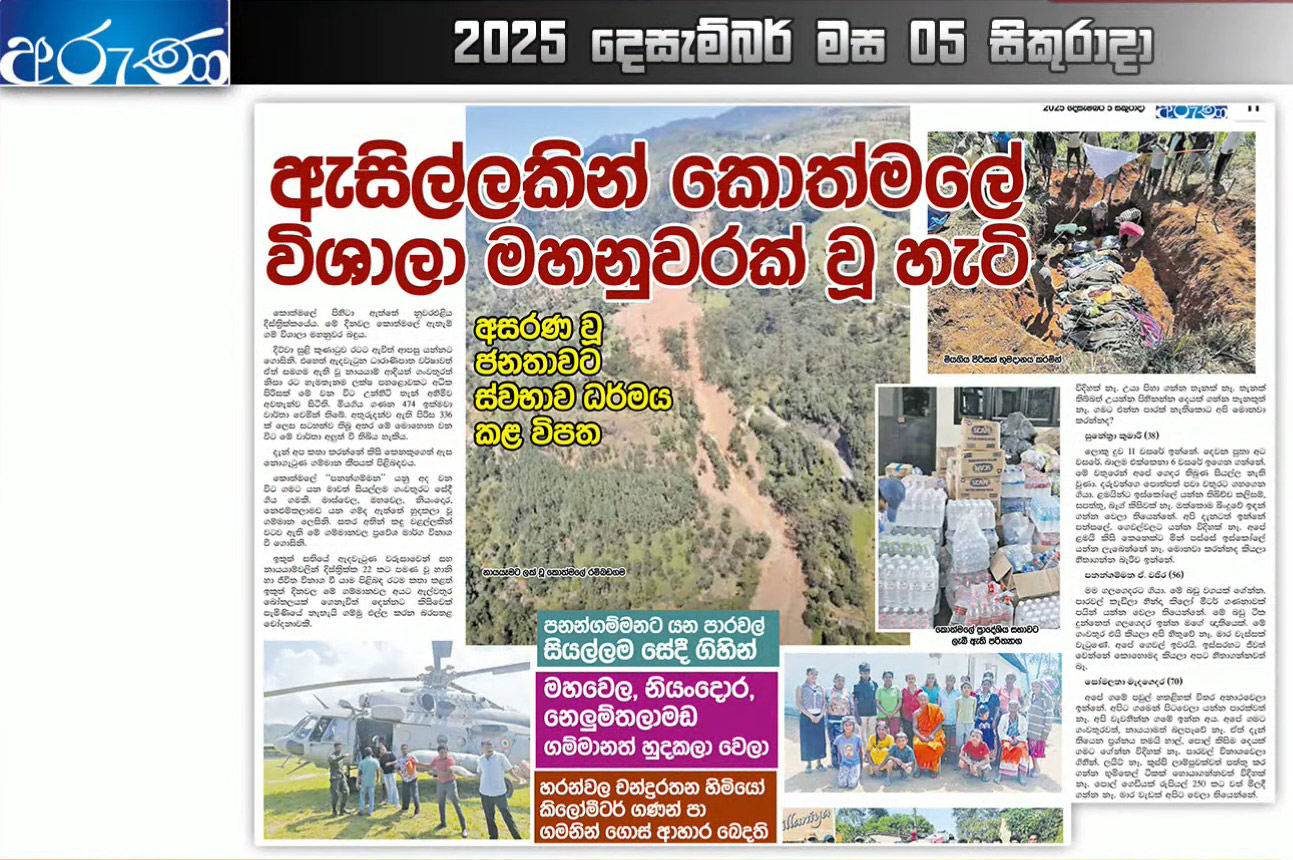
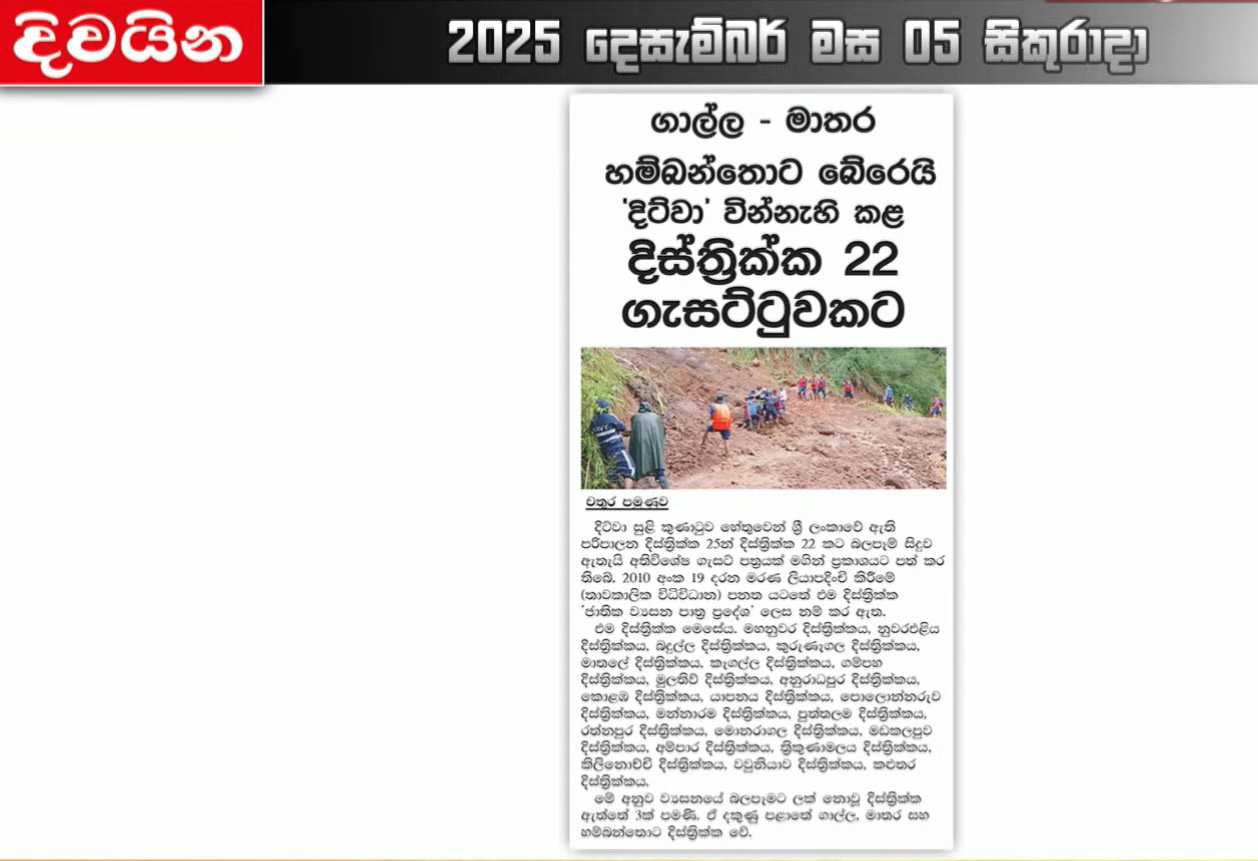
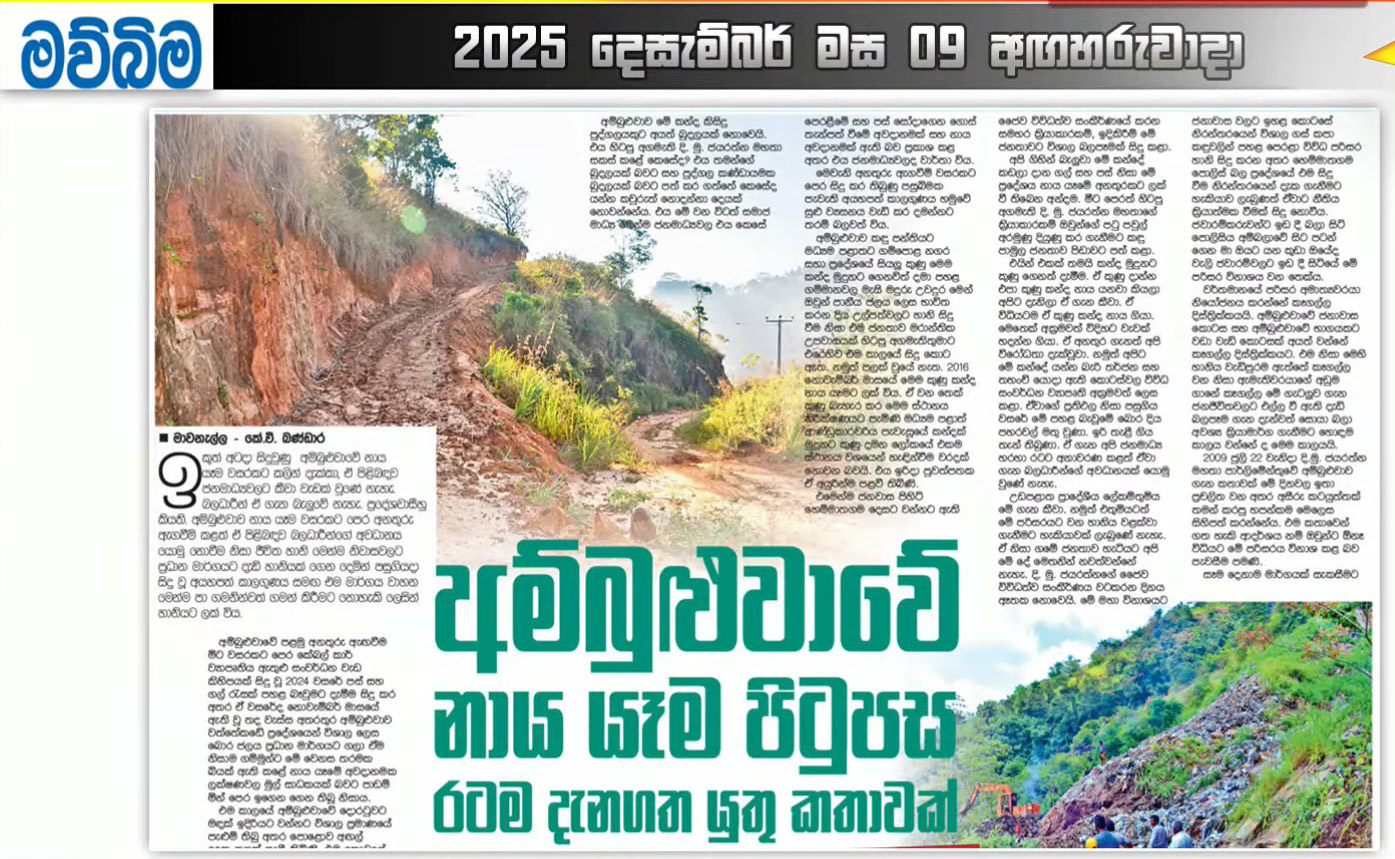
Sustained wind speeds exceeded 150 km/h in several districts, causing unprecedented structural damage. Power transmission towers were toppled, plunging entire regions into darkness for weeks. Roads and rail lines were severed by landslides and debris, isolating communities and halting relief efforts.
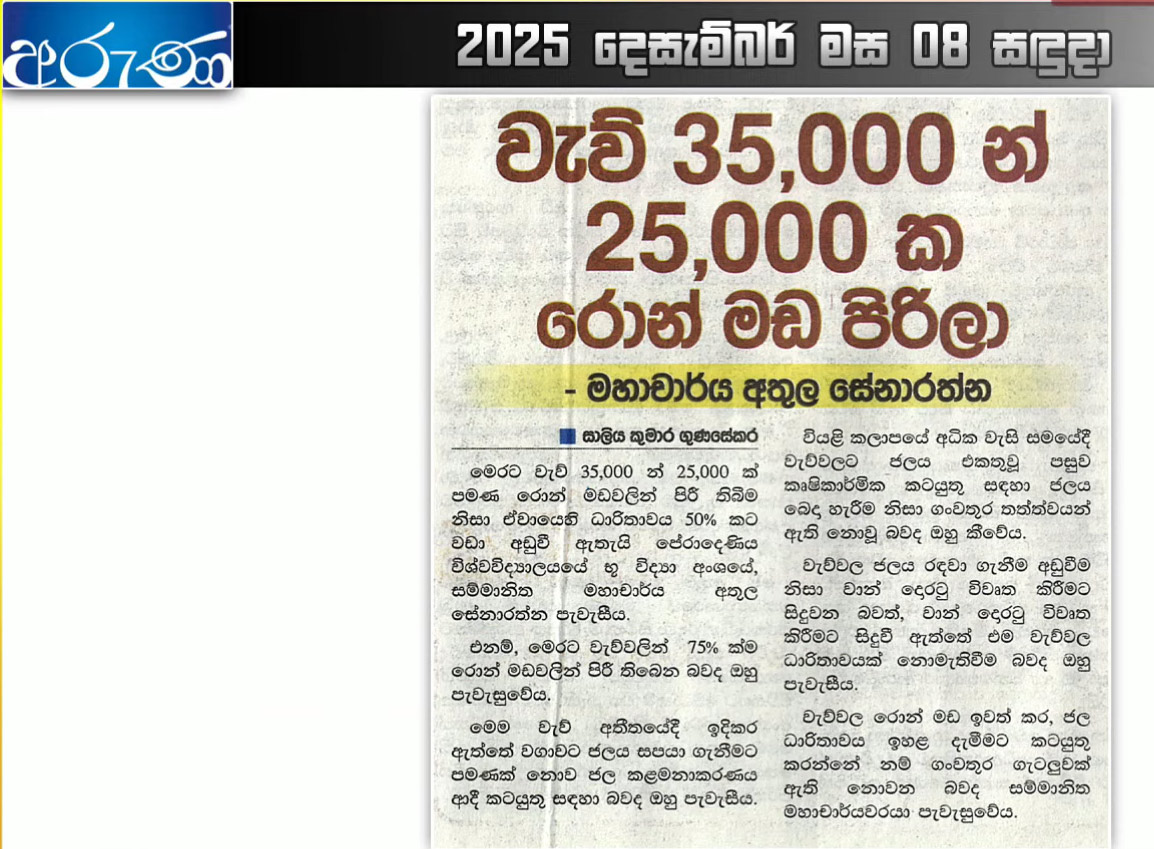
🌾 Agricultural Ruin and Livelihood Destruction
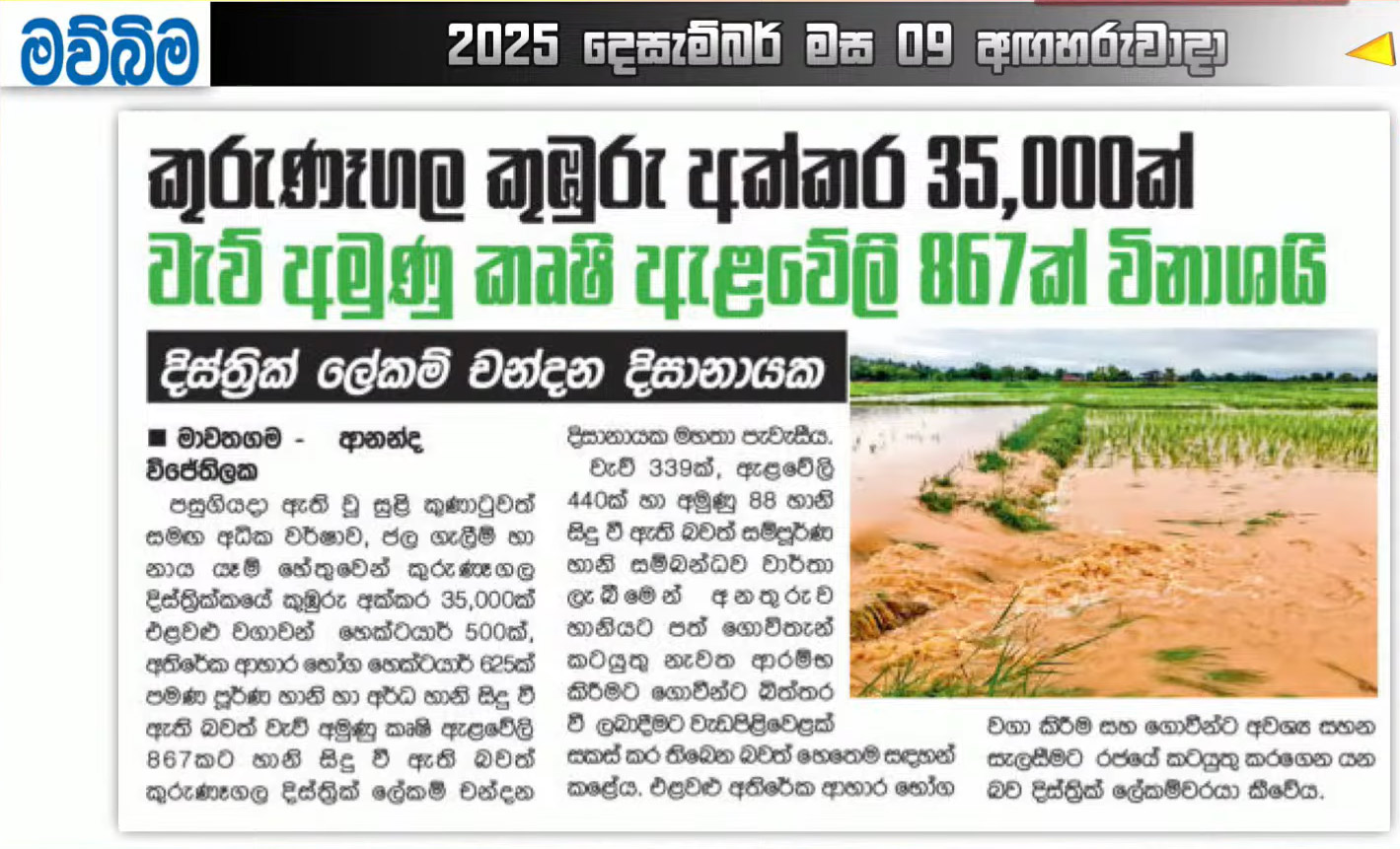
The damage to the agricultural sector was catastrophic. Vast expanses of paddy, tea, and coconut plantations were destroyed by wind and saline intrusion from the storm surge. The immediate loss of crops led to severe economic hardship for farming communities and threatened the island's food security.
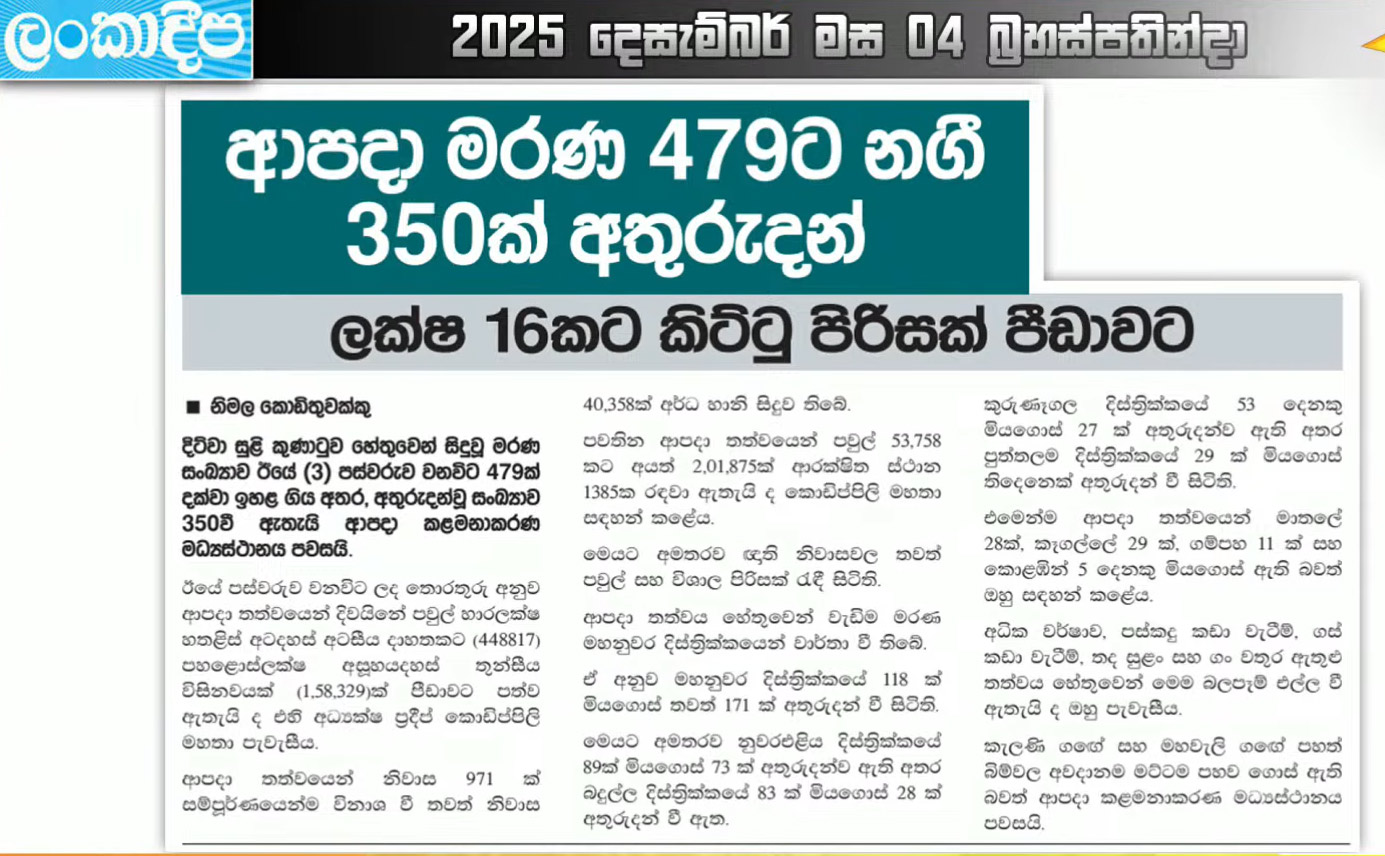
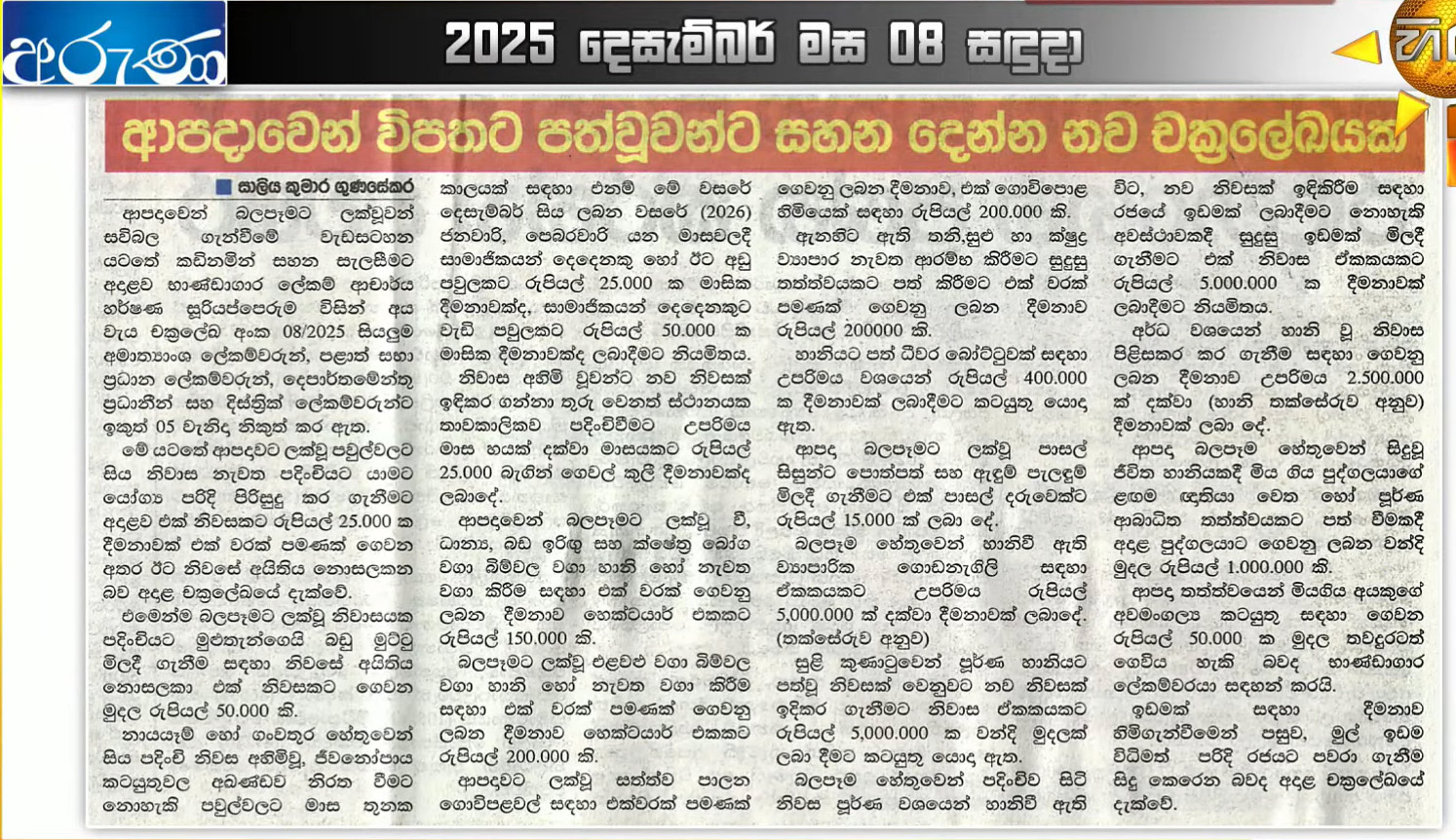
🏠 Mass Displacement and Humanitarian Crisis
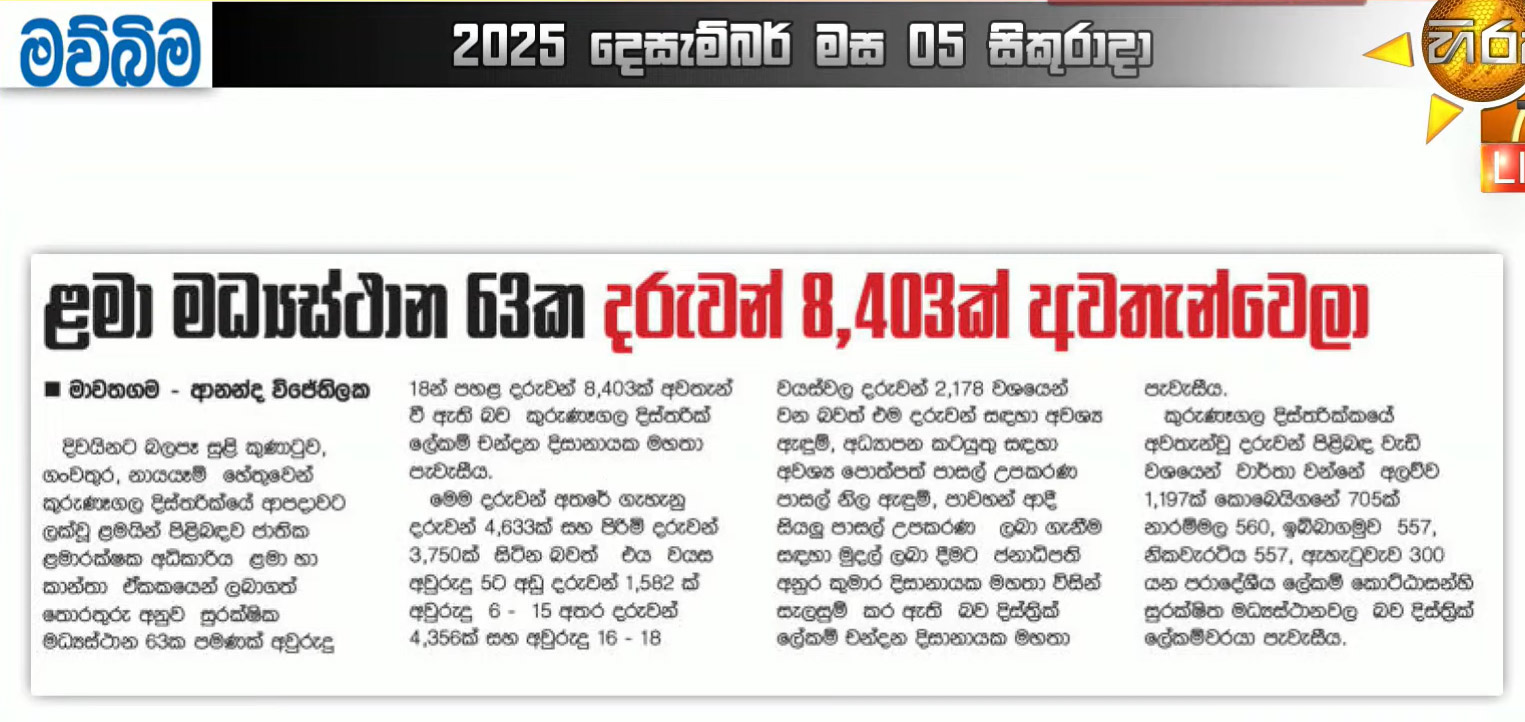
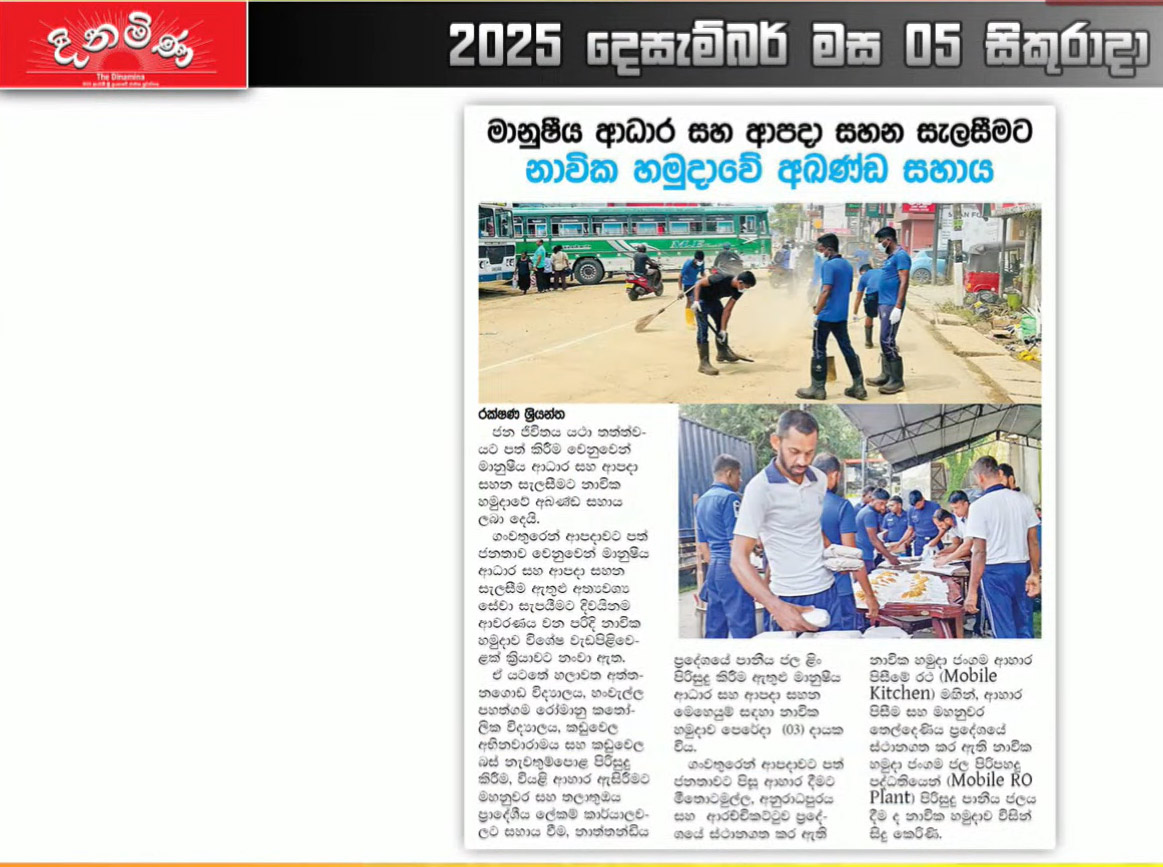
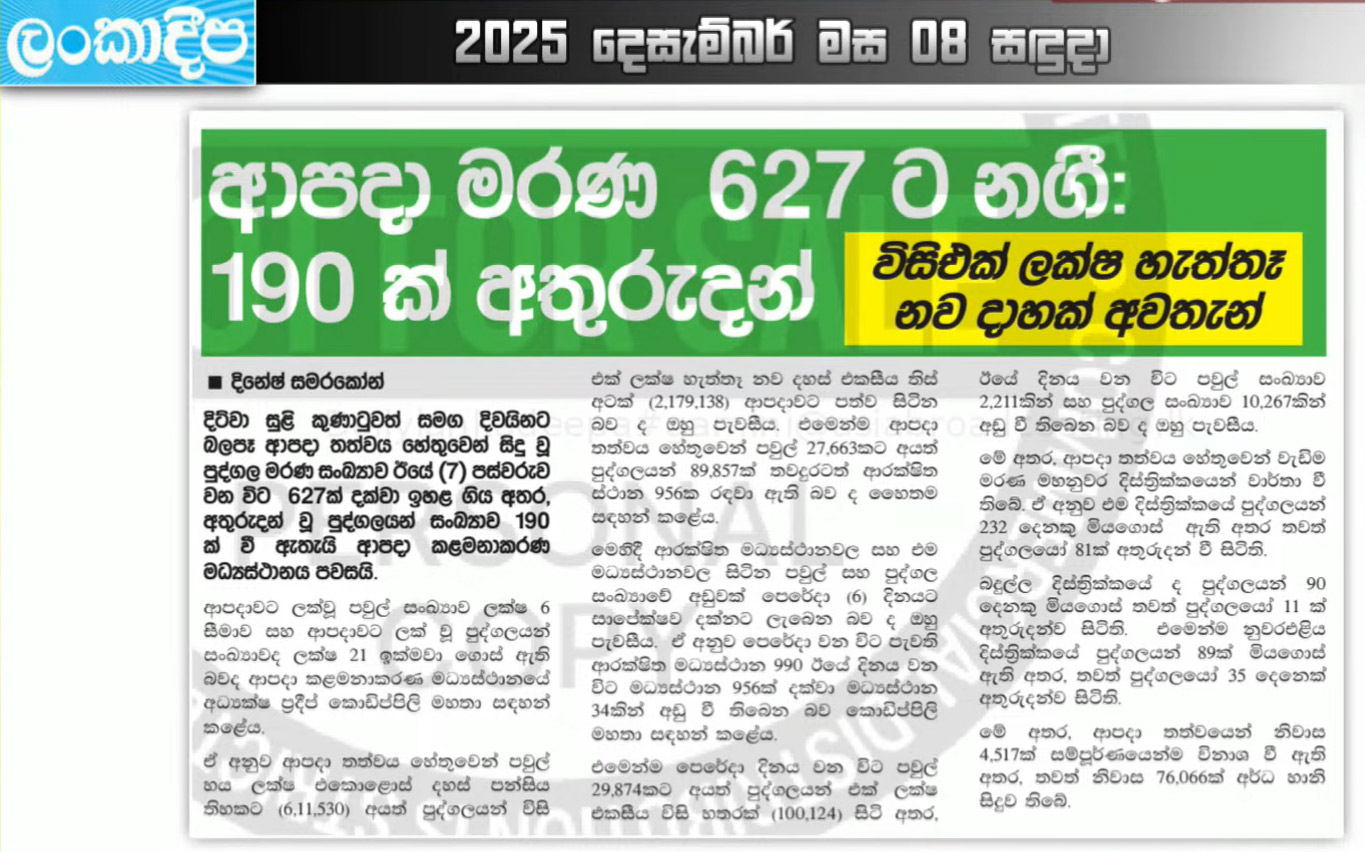
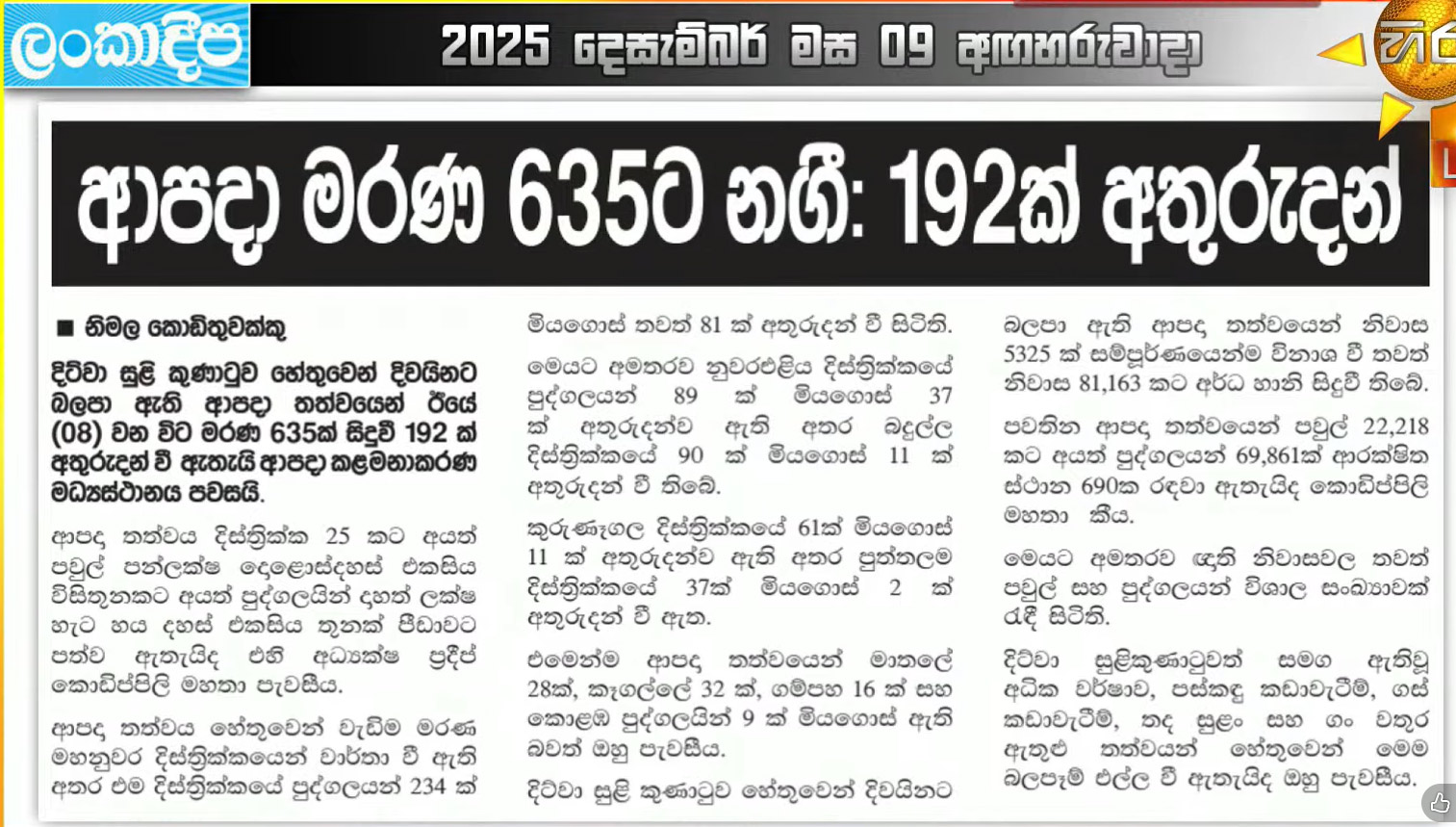
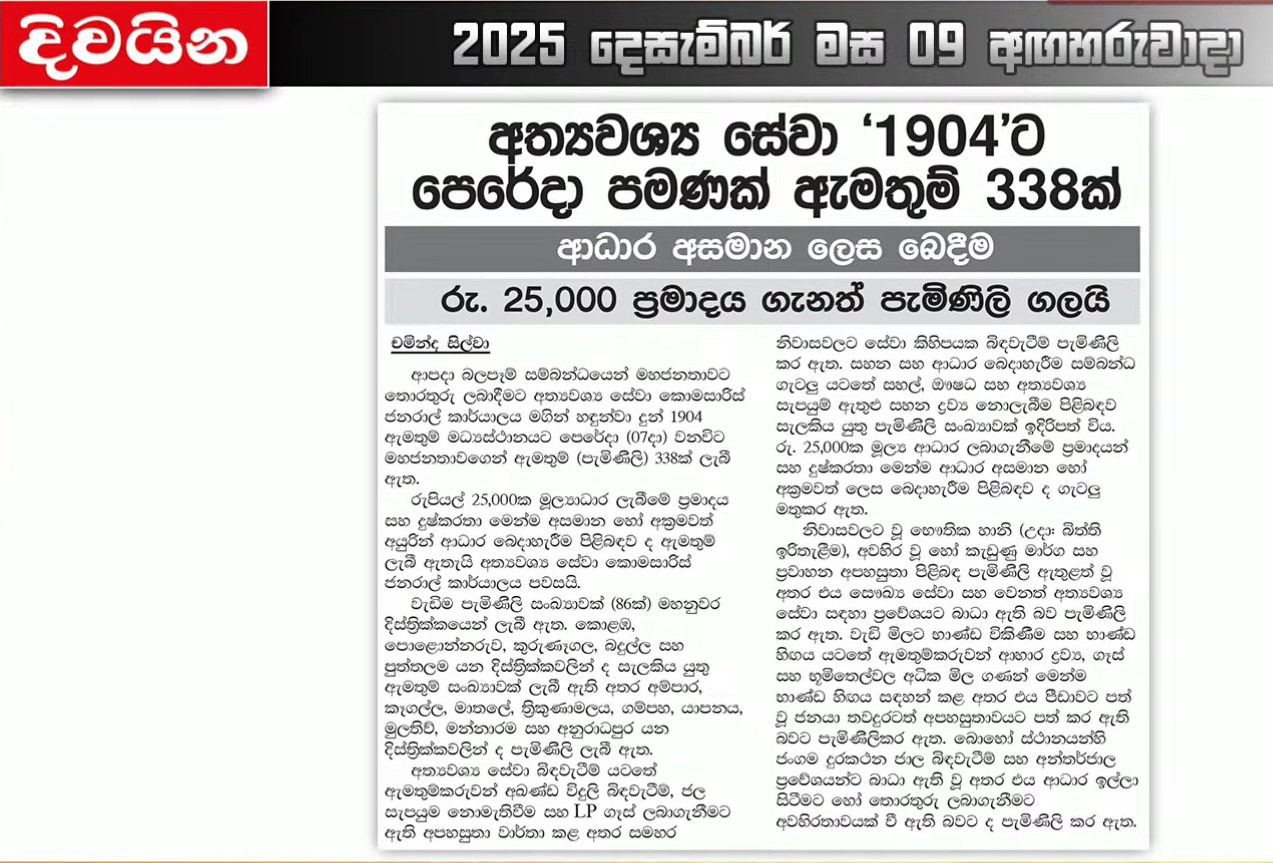
The scale of the damage led to the displacement of hundreds of thousands of people. Makeshift shelters became temporary homes. Post-storm, contaminated floodwaters led to outbreaks of waterborne diseases, highlighting the urgent need for long-term disaster preparedness.
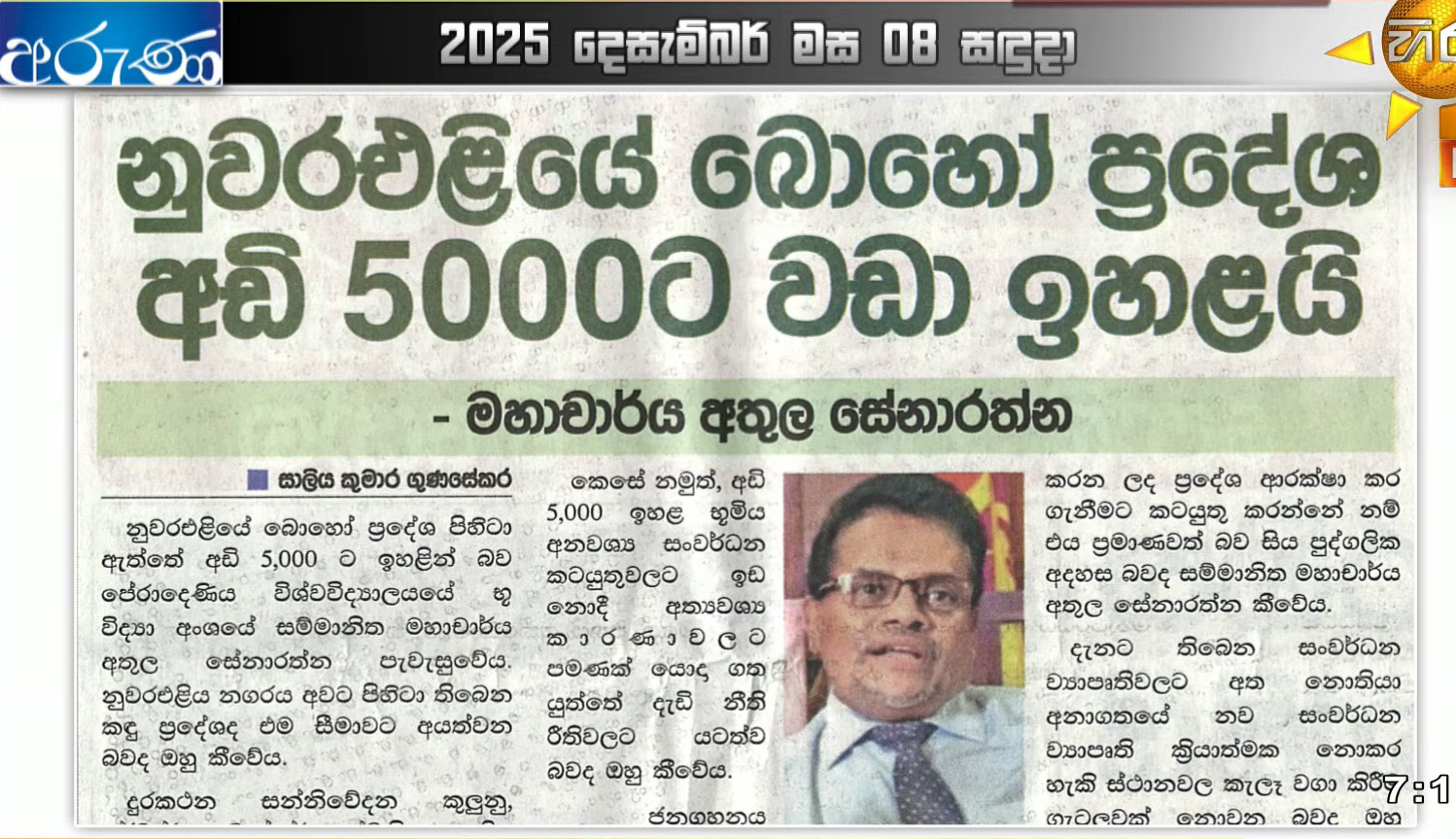
📸 Ditwah's Footprint: Documenting the Destruction
.jpg)
.jpg)
.jpg)
.jpg)
.jpg)
.jpg)
.jpg)
.jpg)
.jpg)
.jpg)
.jpg)
.jpg)
.jpg)
.jpg)
.jpg)
.jpg)
.jpg)
.jpg)
.jpg)
.jpg)
.jpg)
.jpg)
.jpg)
.jpg)
.jpg)
.jpg)
.jpg)
.jpg)
.jpg)
.jpg)
.jpg)
.jpg)
.jpg)
.jpg)
.jpg)
.jpg)
.jpg)
.jpg)
.jpg)
.jpg)
.jpg)
.jpg)
.jpg)
.jpg)
.jpg)